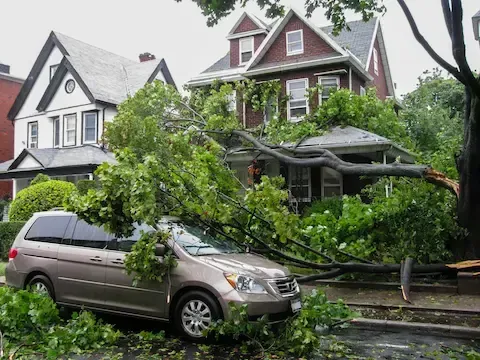
Storm Damage Cleanup Workflow Mountlake Terrace WA
When severe weather strikes Mountlake Terrace, property owners face immediate challenges from fallen trees, broken branches, and debris scattered across their landscape. A systematic approach to storm damage cleanup protects your safety, preserves your property value, and ensures proper documentation for insurance claims. Understanding the complete workflow from initial assessment through final restoration helps you navigate this stressful situation with confidence and efficiency.
The cheapest storm cleanup is the one you prevent. See our bomb cyclone tree prep checklist for what to do before the next windstorm arrives.
Immediate Safety Assessment and Hazard Identification
Your first priority after any storm involves conducting a thorough safety sweep of your entire property. Begin this assessment from inside your home, checking for any trees or large branches that may have fallen against the structure. Look for signs of roof damage, broken windows, or compromised siding that could indicate structural impact from falling debris.
Move systematically around your property perimeter, maintaining a safe distance from any downed power lines. In Mountlake Terrace, with our mature tree canopy and underground utilities in many neighborhoods, storm damage often affects both overhead and buried electrical systems. Contact Puget Sound Energy immediately if you observe any electrical hazards, and establish a safety perimeter around these areas.
Document every visible hazard with photographs from multiple angles. Focus on trees leaning against structures, large branches hanging precariously, and any debris blocking access routes. This initial documentation serves dual purposes: creating a safety checklist for cleanup priorities and establishing baseline evidence for insurance claims.
Assess your access routes, including driveways, walkways, and emergency egress paths. Storm damage cleanup requires heavy equipment access in many cases, so identifying blocked routes early in your assessment helps plan the logistics of professional cleanup services.
Emergency Tree Removal and Debris Clearance
Trees that pose immediate threats to structures, vehicles, or public safety require emergency removal services. In Mountlake Terrace, this category typically includes trees leaning against homes, large branches suspended over walkways, and any fallen timber blocking emergency vehicle access to your property.
Professional emergency tree removal help becomes essential when dealing with trees entangled in power lines, structurally compromised trees that could fall unpredictably, or removal work requiring specialized equipment like cranes or bucket trucks. These situations exceed the capabilities of standard cleanup efforts and require certified arborists with appropriate insurance and safety training.
For debris clearance, establish designated staging areas on your property where removed materials can be temporarily stored without impeding further cleanup operations. Consider the logistics of debris removal, including truck access and proximity to the street for hauling services. Many Mountlake Terrace streets have parking restrictions that affect large vehicle access, so coordinate with cleanup crews to ensure efficient debris removal.
Prioritize clearing access routes first, then move to areas with the highest safety risk. This systematic approach allows cleanup crews to work efficiently while maintaining safety protocols throughout the process.
Professional Assessment and Damage Evaluation
Once immediate safety hazards are addressed, engage certified arborists to conduct comprehensive damage assessment of your remaining trees. This professional evaluation identifies trees that may appear stable but have suffered internal damage or root system compromise that could lead to future failures.
Professional assessment includes examining trees for bark damage, crown loss, root exposure, and structural defects that may not be immediately obvious to property owners. In Mountlake Terrace's clay soil conditions, storm events often cause root systems to shift or become compromised even when the tree remains upright.
Document all professional recommendations with written reports that detail specific findings and recommended actions. These reports provide crucial evidence for insurance claims and help prioritize remaining cleanup work based on actual risk levels rather than visual damage alone.
Request detailed estimates for all recommended work, including breakdown of removal costs, stump grinding, debris hauling, and any necessary restoration work. This documentation streamlines the insurance claims process and provides clear scope definition for cleanup contractors.
Stump Removal and Soil Restoration
Stump grinding represents a critical component of complete storm damage cleanup that property owners often overlook in their initial planning. Leaving stumps in place creates ongoing maintenance challenges, safety hazards, and potential pest habitat that can affect your landscape long-term.
Professional stump grinding removes the visible stump and grinds the root ball several inches below grade level. This process eliminates trip hazards, frees up valuable landscape space, and prevents sprouting from remaining root systems. In Mountlake Terrace's established neighborhoods, proper stump removal maintains the aesthetic continuity essential for property values.
Soil restoration follows stump removal, addressing the depression left by grinding operations and any soil compaction caused by heavy equipment during cleanup. Amending soil with appropriate organic matter helps establish conditions suitable for replanting or lawn restoration.
Consider your long-term landscape plans when scheduling stump work. Coordinating stump removal with planned replanting or hardscaping projects can reduce overall costs and minimize repeated disruption to your landscape.
Insurance Documentation and Claims Support
Thorough documentation throughout the cleanup process provides essential support for insurance claims and helps maximize coverage for storm damage restoration. Begin documentation with timestamped photographs taken immediately after the storm, before any cleanup work begins.
Maintain detailed records of all cleanup expenses, including emergency services, professional assessments, debris removal, and restoration work. Insurance adjusters require specific documentation to substantiate claims, and organized records expedite the claims process significantly.
Obtain written estimates from multiple licensed contractors for all major cleanup work. Insurance companies often require competitive bidding for significant repairs, and having multiple professional estimates demonstrates due diligence in controlling costs.
Work with Storm Damage Cleanup professionals who understand insurance requirements and can provide documentation that meets industry standards. Experienced cleanup contractors know what information adjusters need and can structure their reports and estimates accordingly.
Save all receipts, invoices, and payment records related to storm cleanup. Include temporary protective measures, emergency services, and any additional living expenses if storm damage makes your property temporarily uninhabitable.
Debris Hauling and Disposal Coordination
Efficient debris management requires coordination with local waste management services and understanding of Mountlake Terrace disposal regulations. Storm debris often exceeds normal yard waste collection capacity, requiring specialized hauling services or alternative disposal arrangements.
Separate different types of debris to optimize disposal efficiency and costs. Wood debris suitable for chipping or recycling commands different hauling rates than general yard waste or non-organic materials like roofing debris or damaged outdoor equipment.
Schedule debris removal to coordinate with cleanup progress, avoiding situations where debris accumulation impedes ongoing work or creates secondary safety hazards. Large debris piles can become unstable and pose risks to cleanup crews and property access.
Verify that hauling services hold appropriate licenses and insurance coverage. Legitimate debris hauling services provide certificates of insurance and dispose of materials at permitted facilities, protecting you from potential liability for improper disposal.
Property Restoration and Preventive Planning
Complete storm damage cleanup extends beyond removing damaged materials to include restoration planning that improves your property's resilience to future storm events. This forward-thinking approach addresses underlying vulnerabilities that contributed to damage severity.
Evaluate your landscape design for opportunities to improve storm resistance through strategic tree placement, species selection, and structural modifications. Consider replacing damaged trees with species better suited to Pacific Northwest storm conditions and your specific site characteristics.
Address drainage issues that may have contributed to tree instability or property damage. Poor drainage weakens root systems and increases the likelihood of tree failure during storm events. Improving site drainage provides both immediate and long-term benefits for landscape health.
Develop ongoing maintenance protocols for your restored landscape, including regular professional tree care, hazard tree assessments, and proactive pruning programs. Preventive care reduces the severity of future storm damage and maintains the investment you make in cleanup and restoration.
Consider installing monitoring systems or early warning protocols that help you prepare for future storm events. Weather alert systems and property inspection checklists enable proactive responses that minimize damage potential. For a homeowner-level overview of what storm cleanup costs and how long each phase takes, see our storm damage tree cleanup guide.
