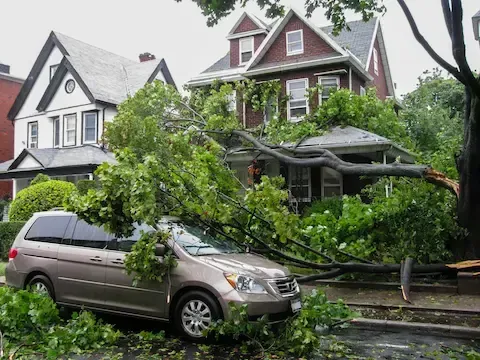
Storm Damage Tree Cleanup for Mountlake Terrace WA Homes
When severe weather strikes Mountlake Terrace, fallen trees and damaged branches can create immediate safety hazards and property damage concerns for homeowners. The combination of Pacific Northwest wind storms, heavy snow loads, and saturated soils from frequent rainfall creates conditions where even healthy trees can fail unexpectedly. Understanding how to handle storm damage tree cleanup properly protects both your family and your property investment while ensuring compliance with local regulations.
Immediate Safety Assessment After Storm Events
Your first priority following any storm involves conducting a careful safety assessment of your property without putting yourself at risk. Never approach downed power lines or trees that may be in contact with electrical systems. Contact Snohomish County PUD immediately if you suspect any electrical hazards on your Mountlake Terrace property.
Walk your property perimeter from a safe distance, looking for hanging branches, split trunks, or trees leaning at dangerous angles. Pay particular attention to trees near your home, garage, and any structures where failure could cause significant damage. Document everything with photographs for insurance purposes, but avoid getting close to unstable trees or debris.
Check for blocked access routes, including driveways and walkways that emergency services might need to use. If large trees block your driveway or pose immediate threats to structures, these situations require prompt professional attention from qualified emergency tree removal services familiar with Mountlake Terrace conditions.
Signs Requiring Immediate Professional Response
Certain storm damage situations demand immediate professional intervention rather than waiting for regular business hours. Trees resting against your home's structure, even if they appear stable, can shift without warning and cause additional damage. Partially uprooted trees with exposed root systems remain extremely unstable and unpredictable.
Large branches hanging overhead present serious hazards, particularly during continued wind or if additional storms approach the area. These situations often worsen over time as gravity and weather conditions work against remaining connections. Power line contact or proximity requires specialized equipment and training that only certified professionals possess.
Insurance Documentation and Claims Process
Proper documentation forms the foundation of successful insurance claims for storm damage tree cleanup. Take comprehensive photographs from multiple angles showing the full extent of damage, including wide shots that establish context and close-ups that detail specific problems. Include images of your property before the storm if available, as these provide valuable comparison points for adjusters.
Contact your insurance company promptly to report storm damage, even if the full extent remains unclear. Many policies have specific timeframes for reporting claims, and early notification often streamlines the process. Keep detailed records of all communications, including claim numbers, adjuster names, and conversation summaries.
Understand that most homeowner policies cover tree removal only when trees damage structures or block driveways necessary for emergency access. Trees that fall in yards without damaging property typically aren't covered, making this distinction crucial for managing expectations and planning cleanup approaches.
Working With Insurance Adjusters
When insurance adjusters visit your Mountlake Terrace property, be prepared to walk them through all damage areas safely. Provide your photographic documentation and any estimates you've obtained from local tree service professionals. Be honest about the timeline of damage and avoid speculating about causes beyond obvious storm conditions.
Adjusters often work with preferred contractor networks, but you maintain the right to choose qualified professionals for your tree cleanup work. Research local companies thoroughly, verifying licensing, insurance coverage, and references from recent Mountlake Terrace area projects.
Professional Cleanup Service Selection
Selecting qualified professionals for storm damage tree cleanup requires careful evaluation of credentials, equipment capabilities, and local experience. Verify that any company you consider holds current licensing through Washington State Department of Labor and Industries, maintains comprehensive liability insurance, and carries worker compensation coverage for their crews.
Storm cleanup often attracts traveling contractors who may lack local knowledge or proper credentials. Prioritize established local companies with documented experience in Mountlake Terrace and surrounding Snohomish County communities. These professionals understand local soil conditions, common tree species, and municipal requirements that affect cleanup approaches.
Request detailed written estimates that break down labor, equipment, and disposal costs separately. Compare not just pricing but also timelines, cleanup thoroughness, and included services such as stump grinding or debris hauling. The lowest bid often reflects shortcuts that create additional problems or expenses later.
Equipment and Capability Requirements
Effective storm cleanup requires specialized equipment beyond basic chainsaws and pickup trucks. Large tree removal often needs cranes, aerial lifts, or rigging systems to safely dismantle trees near structures. Verify that contractors possess or can access appropriate equipment for your specific situation.
Stump grinding capability becomes important when trees are completely removed, as stumps left in lawns create ongoing maintenance problems and potential liability issues. Professional chip and debris removal services ensure your property returns to usable condition promptly rather than leaving you with massive brush piles.
Municipal Regulations and Permit Requirements
Mountlake Terrace maintains specific regulations regarding tree removal and debris disposal that affect storm cleanup activities. While emergency situations often receive expedited treatment, understanding local requirements helps avoid complications and ensures compliance with city standards.
Significant trees may require removal permits even when storm damaged, particularly if they're located in sensitive areas or designated as community assets. Contact Mountlake Terrace City Hall to clarify permit requirements for your specific situation, as regulations can vary based on tree size, location, and species.
Debris disposal must comply with local waste management guidelines. Many municipalities restrict curbside pickup volumes and prohibit certain disposal methods during large-scale storm cleanup periods. Professional services typically handle disposal compliance, but confirm these arrangements when selecting contractors.
Neighbor Property Considerations
Storm damaged trees often affect property lines and neighbor relationships, requiring diplomatic handling alongside technical cleanup work. Trees falling from your property onto neighbor's land typically remain your responsibility for removal, regardless of what caused the failure.
Coordinate with affected neighbors regarding access needs, cleanup scheduling, and shared costs when appropriate. Clear communication prevents misunderstandings and maintains good relationships during stressful situations. Document agreements in writing when significant costs or property impacts are involved.
Cleanup Timing and Prioritization
Storm cleanup prioritization should focus on safety hazards first, followed by property protection, and finally aesthetic or convenience issues. Trees threatening structures or blocking essential access routes require immediate attention, while yard cleanup can often wait for better weather or contractor availability.
Weather conditions significantly impact cleanup safety and effectiveness. Working during continued storms, high winds, or icy conditions increases risks for both property owners and professional crews. Schedule intensive cleanup work during stable weather periods when crews can work safely and efficiently.
Consider seasonal factors when planning extensive cleanup projects. Fall and winter storms in the Pacific Northwest often precede additional weather events, making temporary stabilization more practical than complete cleanup until spring. This approach can reduce costs while maintaining safety.
Emergency Stabilization Measures
Temporary stabilization can address immediate safety concerns while allowing time for proper planning and contractor selection. Professional emergency services can secure dangerous situations with cables, props, or partial removal techniques that reduce immediate risks without committing to full cleanup approaches.
Tarping damaged structures prevents weather infiltration and additional damage while cleanup planning proceeds. These protective measures often qualify for insurance reimbursement and prevent small problems from becoming major renovation projects.
Prevention and Future Preparedness
Post-storm cleanup provides opportunities to improve your property's resilience against future weather events. Professional arborists can identify remaining trees with structural weaknesses, disease issues, or poor positioning that increase storm damage risks during subsequent weather events.
Consider selective removal of high-risk trees near structures, particularly those with shallow root systems, structural defects, or species known for storm vulnerability in Pacific Northwest conditions. This proactive approach reduces future cleanup costs and safety concerns.
Develop relationships with qualified local tree service professionals before emergencies occur. Having pre-established contacts with licensed, insured companies familiar with your property facilitates faster response during crisis situations and often results in better pricing for routine maintenance work.
Landscape Design for Storm Resilience
Replacement plantings should consider storm resistance alongside aesthetic preferences. Native Pacific Northwest species typically demonstrate better wind tolerance and root stability than non-native alternatives. Position new trees with adequate spacing from structures and utility lines to accommodate mature growth without creating future hazards.
Regular maintenance including pruning, fertilization, and health monitoring strengthens trees against storm damage while extending their useful life spans. Well-maintained trees with proper structure and health demonstrate significantly better storm survival rates than neglected specimens.
Cost Management and Budget Planning
Storm damage tree cleanup costs vary dramatically based on tree size, location complexity, access challenges, and disposal requirements. Emergency services typically command premium pricing, making non-urgent cleanup more cost-effective when safety permits delayed action.
Multiple smaller cleanup sessions often prove more budget-friendly than single large projects, particularly when insurance coverage limitations apply. Prioritize covered work first, then schedule remaining projects based on available resources and seasonal timing considerations.
Consider partial DIY approaches for appropriate tasks such as small branch removal, minor debris cleanup, or landscape restoration activities. However, maintain clear boundaries regarding professional work requirements, particularly for large trees, complex situations, or work near structures and utilities.
Professional Storm Damage Cleanup services provide the expertise, equipment, and insurance protection necessary for safe, effective restoration of your Mountlake Terrace property following severe weather events. By understanding the process, requirements, and options available, you can make informed decisions that protect both your immediate safety and long-term property interests while navigating the challenges that Pacific Northwest storms inevitably bring to our community.
