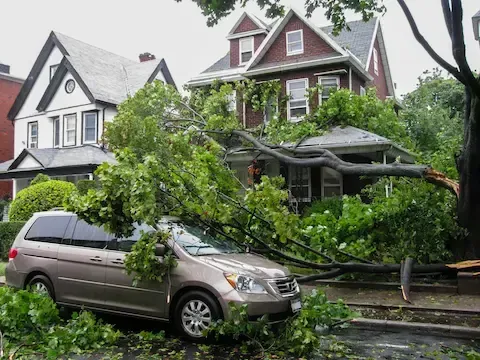
Bomb Cyclone Tree Prep for Mountlake Terrace Homes
Pacific Northwest bomb cyclones bring extreme wind conditions that can transform healthy trees into dangerous projectiles within hours. These rapidly intensifying storms, characterized by atmospheric pressure drops of at least 24 millibars in 24 hours, create wind speeds that test every tree's structural integrity. For Mountlake Terrace homeowners, the key to protecting property and ensuring safety lies in comprehensive pre-storm tree preparation that addresses both visible vulnerabilities and hidden structural weaknesses.
Understanding Bomb Cyclone Tree Hazards
Bomb cyclones generate sustained winds of 50-70 mph with gusts exceeding 100 mph across the Puget Sound region. These conditions create multiple failure modes for trees, including root plate failure, stem breakage, and crown twist. The rapid pressure changes also affect tree stability by altering soil moisture dynamics and creating vacuum effects around canopies.
Tree species common in Mountlake Terrace respond differently to extreme wind events. Douglas fir trees, while native to the region, become increasingly vulnerable as they mature due to shallow root systems and tall growth habits. Deciduous trees face additional challenges when storms occur during leaf-out periods, as full canopies create substantially more wind resistance than bare winter branches.
The urban forest environment compounds these natural vulnerabilities. Restricted root zones from sidewalks and driveways limit root development, while competing vegetation and modified drainage patterns affect overall tree health. These factors combine to create unique risk profiles for each property that require individualized assessment approaches.
Pre-Storm Canopy Assessment Protocol
Effective bomb cyclone preparation begins with systematic canopy evaluation focusing on structural weak points. Start by examining the crown structure for co-dominant stems, which create V-shaped connections prone to splitting under wind load. These weak unions often develop in mature trees when competing leaders weren't pruned during younger growth phases.
Dead wood identification requires careful inspection of both obvious and subtle indicators. Look for branches lacking bark, those that feel lightweight when shaken, or limbs showing fungal growth patterns. Pay particular attention to branch attachment points where dead wood meets living tissue, as these junctions often fail catastrophically during high wind events.
Weight distribution analysis involves evaluating how recent growth patterns affect wind resistance. Trees with heavy lateral branches extending toward prevailing wind directions face higher failure risks. Similarly, canopies with significant lean or asymmetrical growth patterns concentrate stress forces in ways that increase vulnerability during extreme weather events.
For comprehensive risk assessment, consider how your tree's condition fits into the broader neighborhood context. Trees growing in clusters provide mutual wind protection, while isolated specimens face full wind exposure from all directions.
Critical Pruning and Removal Decisions
Strategic pruning before bomb cyclone season focuses on reducing wind resistance while maintaining tree health. Remove all dead, diseased, and damaged wood first, as these represent immediate failure risks. Follow up by addressing crossing branches and water sprouts that create unnecessary canopy density.
Crown thinning becomes essential for trees with dense foliage that creates excessive wind resistance. This process involves selective removal of interior branches to allow wind passage through the canopy. However, avoid over-thinning, which can destabilize the remaining structure and create new weak points.
Emergency removal decisions require immediate action when trees show signs of imminent failure. Root heaving, where soil around the base appears raised or cracked, indicates root system compromise. Similarly, fresh wounds or splits in the main trunk suggest structural failure has already begun, making removal the safest option.
When scheduling professional services, remember that qualified arborists in the Mountlake Terrace area become heavily booked as storm season approaches. Plan pruning work for late summer or early fall to ensure availability before weather conditions deteriorate.
Root Zone Stabilization Methods
Root system health directly impacts a tree's ability to withstand extreme wind conditions. Soil compaction from foot traffic, vehicles, or construction activities reduces root development and compromises anchoring ability. Address these issues through strategic decompaction and organic matter addition around the root zone.
Drainage management becomes crucial in areas where saturated soils increase windthrow risk. Improve surface drainage around trees by redirecting water away from root zones and ensuring proper grade slopes. Consider installing French drains in consistently wet areas where root rot fungi thrive.
Mulching provides multiple benefits for storm preparation. A 3-4 inch layer of organic mulch moderates soil temperature, retains moisture during dry periods, and gradually improves soil structure as it decomposes. Extend mulch coverage to the drip line when possible, but keep mulch away from direct trunk contact to prevent pest and disease issues.
For trees showing signs of root system stress, consider professional root zone treatments including air spading to identify problems and mycorrhizal inoculation to improve nutrient uptake and stress tolerance.
Property Protection Strategies
Beyond tree-specific preparations, implementing property-wide protection strategies reduces potential damage from tree failure during bomb cyclones. Document existing tree conditions through photographs that capture both overall structure and specific problem areas. This documentation proves valuable for insurance claims and guides post-storm assessment efforts.
Create clear evacuation zones around high-risk trees, particularly those near structures or vehicles. Identify safe interior spaces in your home that provide protection from potential tree strikes. Interior rooms without windows on lower floors typically offer the best protection during extreme wind events.
Coordinate with neighbors on shared tree risks. Trees growing along property lines often affect multiple homes, making collaborative preparation efforts both practical and cost-effective. Storm Damage Cleanup services can provide neighborhood assessments that identify shared risks and develop comprehensive preparation plans.
Establish relationships with qualified tree care professionals before emergencies arise. Research local companies that maintain proper insurance, certification, and equipment for both preventive care and emergency response. Having these contacts established beforehand eliminates the stress of finding qualified help during crisis situations.
Post-Storm Safety Protocols
After a bomb cyclone passes through Mountlake Terrace, resist the urge to immediately assess tree damage. Damaged trees often remain unstable for hours or days after wind subsides, and additional failures can occur with minimal disturbance. Wait for professional assessment before approaching trees that show signs of damage.
When initial damage assessment becomes necessary, focus on immediate safety hazards rather than comprehensive property surveys. Look for trees or large branches that threaten structures, vehicles, or utility lines. Contact utility companies immediately if trees contact power lines, as these situations require specialized equipment and training to resolve safely.
Document storm damage thoroughly for insurance and recovery planning purposes. Photograph damaged trees from multiple angles, and include images that show the relationship between failed trees and affected structures. This documentation supports both insurance claims and professional recovery planning efforts.
Understanding when to seek professional help versus attempting DIY cleanup prevents additional injuries and property damage. For guidance on comprehensive recovery planning, explore storm damage cleanup coverage options that address both immediate safety needs and long-term landscape restoration goals.
