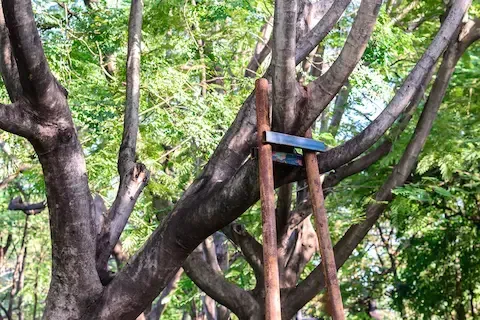
Tree Cabling and Bracing Work in Mountlake Terrace
Tree cabling and bracing represents one of the most technical aspects of arboriculture, requiring precise assessment of structural defects and careful selection of hardware systems. In Mountlake Terrace, where mature trees face unique challenges from Pacific Northwest weather patterns, understanding when and how to implement support systems can mean the difference between preserving valuable canopy and facing expensive removal costs.
Understanding Structural Tree Support Systems
Tree cabling and bracing work involves installing flexible or rigid support systems to reduce the risk of structural failure in trees with compromised integrity. The primary goal is not to eliminate all movement, but rather to limit excessive motion that could lead to catastrophic failure during storm events.
Static cabling systems use aircraft-grade galvanized steel cable with minimal stretch properties. These systems transfer loads directly between connection points and work best for trees requiring maximum restriction of movement. The hardware typically includes eye bolts, thimbles, cable clamps, and turnbuckles for tension adjustment.
Dynamic cabling systems utilize synthetic materials like polyester or polypropylene rope that allow controlled movement while providing support. These systems accommodate natural tree sway and growth, reducing the risk of creating stress concentration points that can develop with overly rigid installations.
The choice between static and dynamic systems depends on several factors: tree species, defect type, surrounding environment, and expected load conditions. Mountlake Terrace's frequent wind events during winter storms make this decision particularly critical for long-term success.
Common Structural Defects Requiring Support
Co-dominant stems represent the most frequent reason for cabling installation in urban trees. These occur when two or more main stems develop from the same point, creating a weak union prone to splitting. The included bark that often forms between co-dominant stems prevents proper wood connection, making the union structurally unsound.
Overextended limbs present another common scenario requiring support. Large horizontal branches that extend beyond their natural weight-bearing capacity develop stress cracks at the attachment point. These situations typically require a combination of cabling and reduction pruning to address both structural and weight distribution issues.
Previous storm damage often creates ongoing structural concerns that benefit from cabling systems. Partially failed unions, cracked stems, or limbs with existing splits can be stabilized to extend the useful life of valuable trees while maintaining safety standards.
Root system compromise, whether from construction damage, soil compaction, or disease, can necessitate above-ground support to compensate for reduced anchoring capacity. These installations often require more comprehensive assessment and may include multiple cable systems.
Split maples are the most common version of this problem locally. See how we save split maple trees in Mountlake Terrace yards for the assessment and cabling sequence.
Installation Considerations and Hardware Selection
Proper installation begins with thorough assessment of the tree's overall condition, growth patterns, and specific structural defects. The installation height typically occurs at approximately two-thirds the distance from the defect to the branch tips, allowing optimal load distribution while maintaining natural crown movement.
Hardware selection varies based on system type and expected loads. Static systems commonly use 1/4-inch to 3/8-inch galvanized aircraft cable with corresponding eye bolts sized appropriately for the stem diameter. The eye bolts must penetrate completely through the stem with adequate backing plates or washers to distribute loads.
Dynamic systems utilize different connection methods, often employing lag screws with appropriate load ratings rather than through-bolts. The synthetic rope materials require specific termination hardware designed for the chosen rope type and expected load conditions.
Tree Cabling installations must account for tree growth over time. Hardware placement should avoid areas of rapid cambial activity, and connection points require adequate spacing from other defects or previous wounds.
Installation timing affects long-term success rates. Late fall through early spring installation allows trees to compartmentalize wounds before active growing seasons, reducing the risk of infection or decay development around hardware points.
Dynamic vs Static System Applications
Static cabling systems excel in situations requiring maximum restriction of movement. Severe co-dominant stem defects, particularly those showing active splitting or previous partial failure, often require the immediate load transfer capability of steel cable systems.
Trees located in high-traffic areas where failure consequences are severe benefit from static systems' predictable performance characteristics. The direct load transfer and minimal stretch properties provide consistent support even under extreme loading conditions.
Dynamic systems work well for preventive installations where structural defects exist but haven't progressed to critical stages. The controlled movement allowed by synthetic rope systems helps maintain natural branch taper development and reduces stress concentration at connection points.
Young trees with developing co-dominant stems often respond well to dynamic systems that guide growth patterns while allowing natural movement. This approach can prevent defect progression while maintaining healthy branch development.
Species-specific considerations influence system selection. Trees with brittle wood characteristics may benefit more from dynamic systems that accommodate sudden load changes, while species with flexible wood properties might require static systems to provide adequate support.
Inspection and Maintenance Requirements
Annual inspection protocols form the cornerstone of successful cabling system management. Visual assessment should examine hardware condition, connection point integrity, cable tension, and overall tree health changes that might affect system performance.
Hardware inspection focuses on corrosion development, particularly at connection points where moisture accumulates. Galvanized finishes provide initial protection, but long-term exposure requires ongoing monitoring for coating breakdown and underlying metal deterioration.
Connection point assessment examines the tree's response to hardware installation. Healthy callus formation around bolts indicates proper compartmentalization, while areas of decay, staining, or abnormal growth patterns suggest potential problems requiring attention.
Cable tension evaluation ensures proper system function without over-stressing tree components. Static systems require periodic tension adjustment as trees settle and wood relaxes around connection points. Dynamic systems need inspection for rope condition, particularly checking for chafing, UV degradation, or fiber breakdown.
Documentation of inspection findings provides valuable historical data for tracking system performance and planning future maintenance needs. Photographic records help identify gradual changes that might not be apparent during individual inspections.
Local Environmental Factors in Mountlake Terrace
Mountlake Terrace's climate patterns create specific challenges for tree support systems. The area's wet winters and relatively dry summers cause significant moisture cycling that affects both tree physiology and hardware performance.
Winter storm frequency in the region means cabling systems must withstand repeated loading cycles from wind events. The combination of saturated soils and high winds creates maximum stress conditions that test system integrity and installation quality.
Local soil conditions influence root system development and overall tree stability. Areas with shallow hardpan layers or highly organic soils may require more comprehensive support approaches that address both above and below-ground stability factors.
Urban environment stressors in Mountlake Terrace, including limited root space, air pollution, and construction impacts, can compromise tree health and affect how well trees respond to cabling installation. These factors require consideration during system design and ongoing maintenance planning.
Our tree trimming notes provide additional context for understanding how structural support systems integrate with overall tree management strategies in the local environment.
Professional Assessment and Installation Standards
Qualified arborist assessment remains essential for determining appropriate cabling solutions. The complex interaction between tree biology, structural mechanics, and environmental factors requires specialized knowledge that goes beyond basic hardware installation skills.
Industry standards established by organizations like the International Society of Arboriculture provide guidelines for system selection, installation practices, and maintenance protocols. These standards help ensure consistent quality and safety across different installation scenarios.
Load calculations for specific installations require understanding of tree mechanics, material properties, and expected environmental loads. Professional assessment can determine appropriate safety factors and hardware sizing for individual situations.
Installation quality directly affects long-term success rates. Proper drilling techniques, hardware placement, and system configuration require specialized equipment and experience to achieve optimal results without compromising tree health.
Ongoing professional involvement through regular inspections and maintenance ensures cabling systems continue to function effectively as trees grow and environmental conditions change over time.
Long-term Management and System Evolution
Successful cabling systems require adaptive management approaches that evolve with changing tree conditions. Initial installations may need modification as trees respond to support and continue growing.
System expansion sometimes becomes necessary as trees develop new structural issues or as supported areas transfer loads to previously unaffected parts of the canopy. This progression requires ongoing assessment and potential additional installations.
Removal considerations become relevant when cabling systems no longer serve their intended purpose or when tree conditions change sufficiently to eliminate the original structural concerns. Professional evaluation helps determine when systems can be safely removed.
Integration with other tree care practices ensures cabling systems work effectively within comprehensive management programs. Pruning, fertilization, and pest management activities must account for the presence of support hardware and its effects on tree biology. Some structurally compromised trees are beyond support and need to come out entirely, often with specialized equipment. If a tree on your property is too large or too close to a structure for conventional removal, see our crane-assisted tree removal guide to understand when that approach makes sense.
