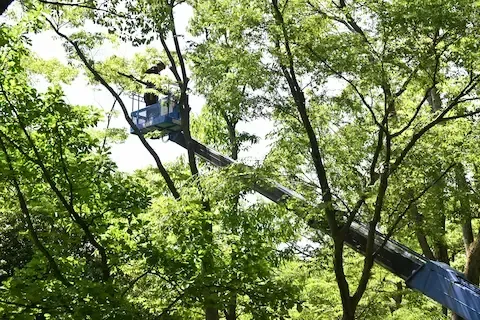
Crane Assisted Tree Removal for Mountlake Terrace WA Yards
When your Mountlake Terrace property has large, hazardous, or uniquely positioned trees that require removal, crane-assisted tree removal often becomes the safest and most efficient solution. This specialized approach combines advanced equipment with expert arboriculture techniques to handle situations where traditional tree removal methods would be impractical, dangerous, or impossible. Understanding when and why crane assistance is necessary helps property owners make informed decisions about their tree care needs while ensuring the safety of their homes, landscaping, and surrounding structures.
Understanding Crane-Assisted Tree Removal
Crane-assisted tree removal involves using hydraulic cranes to carefully lift and remove tree sections that cannot be safely felled using conventional methods. Unlike standard tree removal where trees are cut down in a controlled fall pattern, crane operations allow arborists to precisely control each piece of the tree as it's removed. The crane's boom extends over the tree, where certified climbers attach rigging cables to specific sections. These sections are then cut and lifted away from the property, eliminating the risk of damage to nearby structures, utilities, or landscaping.
The process requires coordination between certified arborists, crane operators, and ground crews. Each team member has specific responsibilities that ensure the operation proceeds safely and efficiently. The arborist climbs the tree to make precise cuts and attach rigging equipment, while the crane operator manages the lifting and positioning of tree sections. Ground crews guide the removed sections to designated staging areas and maintain clear work zones throughout the operation.
Modern crane equipment used for tree removal in Mountlake Terrace typically includes boom trucks ranging from 35 to 100 tons, depending on the size and weight of the trees being removed. These machines offer precise control and can reach heights of 100 feet or more, making them suitable for even the largest trees found in residential settings. The combination of reach, lifting capacity, and precision control makes crane-assisted removal an invaluable tool for challenging tree removal situations.
When Crane Assistance Becomes Necessary
Several specific conditions make crane-assisted removal the preferred or only viable option for tree removal. Trees located within ten feet of structures often require crane assistance, as traditional felling would risk significant property damage. This includes trees growing close to houses, garages, sheds, fences, or other valuable structures where even precise directional felling carries unacceptable risk.
Utility line proximity is another critical factor requiring crane intervention. Trees growing near power lines, telephone cables, or other utilities cannot be safely removed using conventional methods. The controlled lifting capabilities of crane-assisted removal allow arborists to avoid contact with these hazardous systems while ensuring reliable service continues uninterrupted.
Limited access areas frequently necessitate crane assistance. Properties with narrow side yards, steep slopes, or restricted vehicle access may not accommodate the safety zones required for traditional tree felling. Crane operations can often be performed from adjacent properties or public right-of-ways with proper permissions, expanding the options for safe tree removal.
Tree condition also influences the need for crane assistance. Dead, diseased, or structurally compromised trees pose unpredictable risks during conventional removal. Their weakened condition makes it difficult to predict how they will fall, making crane-assisted section removal the safer approach. Similarly, trees with significant lean or unusual growth patterns may require crane assistance to ensure controlled removal.
Emergency situations frequently require crane assistance due to time constraints and safety considerations. Storm-damaged trees leaning against structures or hanging over critical areas need immediate attention. Tree removal operations in these emergency conditions often rely on crane equipment to quickly and safely address immediate hazards.
Access gets tighter on older residential blocks. Our guide to tight lot crane removal on Mountlake Terrace streets covers street permits, neighbor notification, and staging.
The Crane-Assisted Removal Process
Successful crane-assisted tree removal begins with comprehensive site assessment and planning. Professional arborists evaluate the tree's condition, size, weight distribution, and surrounding environment. This assessment determines the appropriate crane size, positioning requirements, and removal sequence. Access routes for the crane must be identified and prepared, ensuring adequate space for setup and operation.
Pre-operation preparation involves obtaining necessary permits, coordinating with utility companies, and establishing safety zones. In Mountlake Terrace, this may require temporary traffic control measures or coordination with city officials for work in public areas. Property protection measures include covering valuable landscaping, relocating outdoor furniture, and identifying underground utilities.
The actual removal process follows a systematic approach starting from the top of the tree and working downward. Certified climbers ascend the tree using professional climbing equipment and establish secure anchor points for rigging operations. Each section is carefully evaluated for weight, balance, and optimal cutting points before attachment of rigging cables.
Cutting and lifting operations require precise coordination between all team members. The climber makes strategic cuts while the crane operator maintains steady tension on the rigging cables. As each section is severed, the crane lifts it clear of the property and lowers it to the designated staging area. Ground crews guide the sections during landing and immediately process them for removal.
The process continues systematically until only the main trunk remains. Trunk removal may involve cutting it into manageable sections that can be safely lowered to the ground, or in some cases, the entire trunk may be lifted as one piece if crane capacity and site conditions allow.
Safety Considerations and Best Practices
Crane-assisted tree removal operations involve significant safety considerations that require strict adherence to industry standards and regulatory requirements. All personnel involved must have appropriate certifications and training specific to crane operations in tree care. This includes International Society of Arboriculture certification for arborists and National Commission for the Certification of Crane Operators credentials for equipment operators.
Equipment inspection and maintenance protocols ensure all machinery operates safely throughout the removal process. Daily pre-operation inspections verify crane functionality, cable integrity, and safety system operation. Rigging equipment undergoes regular inspection and replacement according to manufacturer specifications and industry standards.
Communication systems are critical during crane operations due to the distances involved and ambient noise levels. Hand signals, two-way radios, or other approved communication methods ensure clear coordination between team members. Emergency procedures are established and reviewed before operations begin, including protocols for equipment failure, injury response, and severe weather conditions.
Work zone establishment creates safe boundaries around the operation area. These zones account for the full reach of the crane, potential swing radius of lifted loads, and emergency escape routes. Traffic control measures may be necessary for operations near roadways, and neighbor notification helps ensure public awareness of ongoing work.
Cost Factors and Economic Considerations
The cost of crane-assisted tree removal reflects the specialized equipment, expertise, and coordination required for these operations. Crane rental represents a significant portion of the total cost, with rates varying based on crane size, duration of use, and local availability. Larger cranes command higher daily rates but may complete operations more efficiently than smaller equipment.
Professional expertise requirements also influence pricing. Certified arborists with crane operation experience command premium rates due to their specialized skills and the liability associated with these complex operations. The coordination of multiple professionals and equipment increases labor costs compared to conventional tree removal methods.
Site accessibility affects pricing through its impact on setup time and equipment requirements. Difficult access sites may require smaller cranes that take longer to complete the work, or may necessitate additional equipment for crane positioning. Properties requiring extensive preparation or restoration after crane operations incur additional costs.
Permit and regulatory compliance costs vary by location and project scope. Some municipalities require special permits for crane operations, particularly those affecting public right-of-ways or requiring traffic control measures. Insurance requirements may be higher for crane operations, potentially affecting service provider pricing.
Despite higher upfront costs, crane-assisted removal often provides better overall value in challenging situations. The reduced risk of property damage, faster completion times, and superior safety record can justify the additional investment. When property damage risks are high, the cost of crane assistance is typically far less than potential repair expenses.
Local Considerations for Mountlake Terrace Properties
Mountlake Terrace's mature residential neighborhoods present unique challenges that make crane-assisted tree removal particularly relevant for local property owners. The city's established tree canopy includes many large conifers and deciduous trees that have grown close to structures over decades of development. These mature trees often exceed safe removal parameters for conventional methods, making crane assistance necessary.
The compact urban environment characteristic of Mountlake Terrace frequently limits access for traditional tree removal equipment. Narrow lot configurations and close spacing between homes create situations where crane assistance becomes the only viable removal option. Many properties lack the space required for safe directional felling, particularly for trees in side yards or between structures.
Local soil conditions and topography can influence crane setup requirements and operational considerations. Snohomish County's varied terrain includes areas with poor drainage or steep slopes that may require special measures for crane stability. Understanding these local conditions helps property owners anticipate potential complications and additional requirements for crane operations.
Municipal regulations in Mountlake Terrace may affect crane operations, particularly for work in public right-of-ways or operations that impact traffic flow. Property owners should verify permit requirements and any restrictions on crane operations within city limits. The tree cabling & bracing guide for Mountlake Terrace provides additional information about local tree care regulations and best practices.
Seasonal weather patterns in the Pacific Northwest influence the timing and feasibility of crane operations. High winds, heavy rainfall, or icy conditions can postpone or cancel planned operations for safety reasons. Local contractors familiar with regional weather patterns can better schedule operations during optimal conditions.
Selecting Qualified Service Providers
Choosing the right contractor for crane-assisted tree removal requires careful evaluation of credentials, experience, and local reputation. Verify that potential contractors maintain current certifications from recognized industry organizations and carry appropriate insurance coverage for crane operations. This includes general liability, workers' compensation, and equipment coverage adequate for the scope of work involved.
Experience with crane operations specifically in tree care distinguishes qualified contractors from general tree services. Request references from recent crane-assisted removal projects and verify the contractor's track record with similar work. Local experience in Mountlake Terrace provides valuable insight into municipal requirements, soil conditions, and access challenges common to the area.
Equipment capabilities should match project requirements without unnecessary over-specification. Contractors should conduct thorough site evaluations before proposing equipment solutions and provide detailed explanations of their planned approach. Avoid contractors who cannot clearly explain their methodology or seem unfamiliar with crane operation safety protocols.
Written contracts should specify all aspects of the work, including equipment specifications, timeline, cleanup procedures, and property protection measures. Clear communication throughout the planning and execution phases indicates professional operations and helps ensure successful project completion.
Long-term Property Management Implications
Crane-assisted tree removal often represents part of broader property management strategies that consider the long-term health and safety of the landscape. Properties that require crane removal for one tree may have similar conditions affecting other trees that warrant evaluation and potential future planning.
The removal of large trees creates opportunities for landscape redesign and replanting with species better suited to the available space. Consider selecting replacement trees that will not require crane assistance for future removal, taking into account mature size and proximity to structures. This forward-thinking approach can prevent similar situations from developing over time.
Post-removal site conditions may require soil amendment, grading, or other restoration work to prepare areas for new landscaping. Large tree removal can significantly alter drainage patterns, sun exposure, and soil conditions. Professional landscape assessment following crane-assisted removal helps optimize these changed conditions for future plantings.
Documentation of crane-assisted removal operations provides valuable records for property management and potential future buyers. Detailed records of the work performed, including any discoveries about soil conditions or infrastructure, contribute to comprehensive property maintenance histories.
