Tree Trimming Playbook for Mountlake Terrace Yards
Proper tree trimming transforms ordinary Mountlake Terrace yards into thriving landscapes that enhance property values and support healthy tree growth for decades. Whether you're managing mature Douglas firs or newly planted ornamentals, understanding the fundamentals of pruning timing, technique, and species-specific requirements ensures your trees remain healthy, safe, and beautiful throughout Washington's distinct seasons.
Understanding Tree Trimming Fundamentals
Tree trimming involves the selective removal of branches to improve tree health, structure, and appearance. Unlike tree removal, trimming focuses on strategic cuts that encourage proper growth patterns while addressing safety concerns and aesthetic goals. The practice requires understanding tree biology, proper cutting techniques, and species-specific growth habits.
Successful trimming begins with identifying your objectives. Health-focused pruning removes dead, diseased, or damaged branches that could compromise the entire tree. Structural pruning shapes young trees to develop strong branch architecture, while maintenance pruning keeps mature trees safe and attractive. Each approach requires different timing and techniques.
The three-cut method forms the foundation of proper branch removal. The first cut creates an undercut about 12 inches from the trunk, preventing bark stripping. The second cut removes the branch weight from above, while the final cut removes the stub just outside the branch collar. This technique protects the tree's natural healing mechanisms and prevents disease entry.
Crown thinning selectively removes interior branches to improve light penetration and air circulation. Crown raising eliminates lower branches to provide clearance for structures, walkways, or vehicles. Crown reduction reduces overall tree size while maintaining natural shape. Each technique serves specific purposes and requires careful consideration of the tree's growth patterns.
Seasonal Timing for Pacific Northwest Trees
Washington's climate creates distinct windows for optimal tree trimming, with timing varying significantly by species and objectives. Late winter through early spring, typically February through April, provides the ideal pruning window for most deciduous trees. During dormancy, trees experience less stress from cuts and have maximum energy reserves for healing responses.
Evergreen trees follow different timing patterns. Most conifers benefit from late spring trimming after new growth hardens but before summer heat stress. This timing allows trees to seal wounds effectively while avoiding the pitch flow that occurs during active spring growth. However, some species like pines should only be trimmed during specific periods to prevent disease exposure.
Summer trimming serves specific purposes, particularly for removing storm-damaged branches or addressing immediate safety concerns. Light pruning during growing season can redirect growth energy, but heavy cutting during hot weather stresses trees and increases susceptibility to pests and diseases. Tree Trimming professionals understand these seasonal nuances and plan work accordingly.
Fall trimming requires extreme caution in the Pacific Northwest. Late-season cuts can stimulate new growth that won't harden properly before winter, making trees vulnerable to frost damage. Additionally, many tree diseases spread more readily during fall conditions, making wounds potential infection sites. Emergency trimming may be necessary, but routine maintenance should wait for dormant season.
Species-Specific Trimming Guidelines
Douglas fir, the iconic Pacific Northwest species, requires minimal pruning when properly sited. These trees naturally self-prune lower branches as they mature, but may need selective thinning to reduce wind resistance or remove competing leaders. Never top Douglas firs, as this destroys their natural growth pattern and creates weak branch attachments.
Maple species common in Mountlake Terrace yards respond well to dormant season pruning. Big leaf maples can be pruned heavily to control size, while Japanese maples require gentle, selective cuts to maintain their natural grace. Both species bleed sap heavily if pruned during active growth, though this bleeding rarely harms the tree's health.
Oak trees demand special timing considerations due to oak wilt disease concerns. Prune oaks only during dormant season, typically December through February, when disease-carrying beetles are inactive. Make clean cuts and consider wound dressing in areas with known oak wilt presence, though this practice remains controversial among arborists.
Cherry and other stone fruit trees require annual pruning to maintain health and productivity. Prune during late winter while completely dormant, focusing on opening the canopy for light penetration and air circulation. Remove water sprouts and suckers promptly, as these vigorous shoots compete with productive branches.
Evergreen shrubs like rhododendrons and azaleas should be pruned immediately after blooming to avoid removing next year's flower buds. These plants set buds for the following year shortly after current blooms fade, making timing crucial for maintaining ornamental value.
Proper Cutting Techniques and Tools
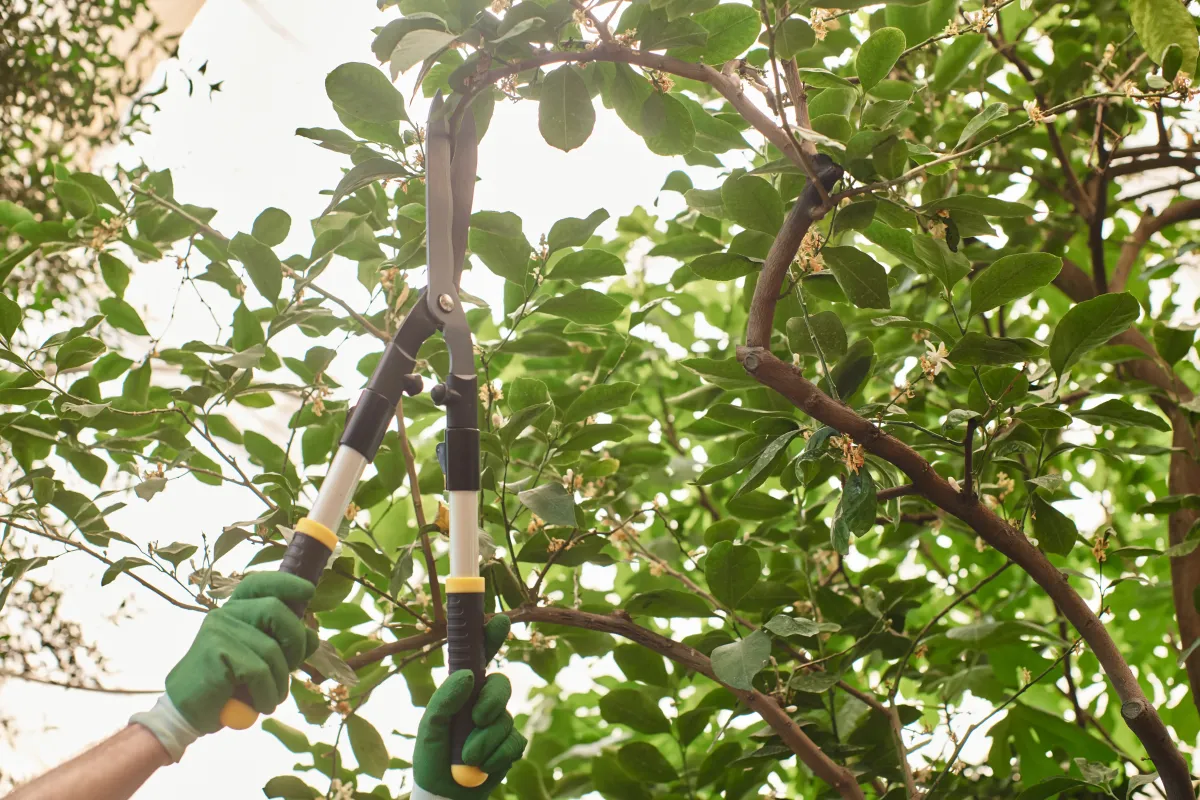
Sharp, clean tools form the foundation of proper tree trimming. Bypass pruners work best for branches up to three-quarter inch diameter, while loppers handle branches up to two inches. Hand saws tackle larger branches, and pole saws extend reach for higher cuts. Chainsaws require significant experience and safety training for safe operation.
Tool maintenance directly impacts cut quality and tree health. Clean blades between trees with rubbing alcohol to prevent disease transmission. Sharp tools create clean cuts that heal quickly, while dull tools crush tissue and create ragged wounds vulnerable to infection. Regular sharpening and proper storage extend tool life and improve results.
Cut placement determines long-term tree health and appearance. Always cut just outside the branch collar, the swollen area where branch meets trunk. Cuts too close to the trunk damage protective tissue, while stub cuts prevent proper healing. Angle cuts slightly to shed water and prevent rot development in the wound.
Large branch removal requires careful planning and execution. Support heavy branches during cutting to prevent bark stripping and splitting. Consider using rope systems or mechanical supports for branches over structures or valuable plantings. When in doubt about large branch removal, consult professional arborists who have proper equipment and training.
Common Tree Trimming Mistakes
Topping ranks as the most damaging tree trimming mistake, involving cutting main branches back to stubs or lateral branches too small to assume the terminal role. This practice destroys natural tree architecture, creates weak branch attachments, and often leads to extensive decay. Topped trees rarely recover their natural beauty and require ongoing maintenance to manage vigorous sprouting.
Over-pruning removes too much canopy at once, stressing trees and reducing their ability to produce energy through photosynthesis. Never remove more than 25 percent of a tree's canopy in a single season, and limit pruning to no more than 15 percent for stressed or newly planted trees. Excessive pruning can trigger watersprout production and weaken overall tree structure.
Flush cutting removes the branch collar along with the branch, eliminating the tree's natural protective barriers. These cuts heal poorly and often develop decay that spreads into the main trunk. Similarly, leaving long stubs prevents proper wound closure and creates entry points for insects and diseases.
Wrong timing exposes trees to unnecessary stress and disease risk. Pruning during active growth periods wastes tree energy and can stimulate unwanted sprouting. Species-specific timing violations, such as pruning oaks during beetle season, can introduce serious diseases that threaten tree survival.
Using climbing spikes on living trees creates unnecessary wounds that serve as infection points. Professional arborists use rope and harness systems that don't damage bark. Spikes should only be used on trees scheduled for removal, never on trees intended for long-term health.
Local Considerations for Mountlake Terrace
Mountlake Terrace's urban forest faces unique challenges that influence trimming decisions. Mature street trees often require careful pruning to maintain clearance for power lines while preserving their contribution to the city's canopy. Coordination with utility companies ensures safe work practices and prevents service interruptions.
The city's compact lots mean trees often grow in close proximity to structures, requiring strategic pruning to prevent property damage during storms. Regular inspection and maintenance of branches overhanging roofs, driveways, and walkways protects both trees and property investments. working with an arborist helps develop long-term management plans for these situations.
Soil conditions in many Mountlake Terrace neighborhoods affect tree health and growth patterns. Clay soils common in the area can create drainage issues that stress trees and influence their response to pruning. Understanding these local soil characteristics helps determine appropriate pruning intensity and timing.
Wind patterns from nearby Puget Sound create specific structural challenges for local trees. Selective thinning can reduce wind resistance while maintaining tree stability. This is particularly important for evergreen trees that retain foliage year-round and catch more wind during winter storms.
Professional vs DIY Trimming Decisions
Homeowner trimming works well for small branches accessible from the ground using standard tools. Light pruning of ornamental shrubs, removal of dead branches under two inches diameter, and basic shape maintenance fall within typical DIY capabilities. Proper tools, sharp blades, and understanding of basic cutting principles enable successful small-scale trimming.
Professional arborists become necessary for work involving ladders, power tools, or branches near utility lines. Trees over 15 feet tall, branches over power lines, and large diameter cuts exceed safe DIY parameters. Professional arborists carry insurance, use specialized equipment, and understand complex tree biology that affects pruning decisions.
Risk assessment determines when professional help is essential. Trees showing signs of disease or structural problems require expert evaluation before any cutting begins. Similarly, valuable specimen trees benefit from professional care that preserves their long-term health and appearance.
Emergency situations, such as storm-damaged trees threatening structures, always require professional response. Damaged trees under stress can behave unpredictably during cutting, creating serious safety hazards for untrained individuals.
Maintenance Schedules and Long-term Planning
Young trees benefit from annual inspection and light pruning to establish proper structure. Focus on developing a single leader, removing competing branches, and maintaining balanced growth. This early investment prevents major corrective pruning later and promotes healthy long-term development.
Mature trees typically require professional assessment every three to five years, with pruning as needed based on their condition and growth rate. Fast-growing species may need more frequent attention, while slow-growing conifers can often go longer between pruning sessions.
Seasonal inspection schedules help identify problems before they become serious. Walk your property after major storms to check for hanging branches or damaged limbs. Spring inspections can reveal winter damage, while fall checks prepare trees for upcoming weather challenges.
Documentation of trimming activities helps track tree health and plan future maintenance. Note dates of major pruning, areas of concern, and tree response to previous cuts. This information guides future decisions and helps communicate with professional arborists when needed.
Long-term planning considers tree maturity, surrounding development, and changing landscape needs. Trees that are appropriate for young landscapes may require different management as they mature and surrounding conditions change. Planning ahead prevents crisis situations and maintains healthy urban forest cover.
Timing matters more than most homeowners expect here. Our breakdown of spring tree pruning timing in Mountlake Terrace covers the dormant window and the species you should never prune after April 1st.
