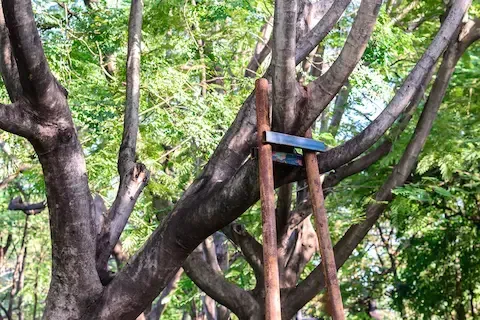
Tree Cabling and Bracing for Mountlake Terrace WA Yards
Understanding Tree Cabling and Bracing Systems
Tree cabling and bracing represents a specialized arboricultural technique designed to provide structural support to trees with weakened or compromised branch systems. This method involves installing flexible steel cables and rigid bracing rods to redistribute weight loads and reduce stress on vulnerable connection points within a tree's canopy. For homeowners in Mountlake Terrace, these support systems offer an alternative to tree removal when dealing with structurally compromised but otherwise healthy trees.
The primary purpose of cabling systems centers on preventing branch failure during severe weather events common to the Pacific Northwest. Heavy snow loads, ice storms, and strong winds can create dangerous situations when tree limbs lack adequate structural integrity. Professional Tree Cabling installations help maintain the natural form of your trees while significantly reducing the risk of property damage or personal injury.
Modern cabling systems utilize high-strength galvanized aircraft cable installed through specialized hardware designed specifically for tree applications. Unlike older chain systems that could damage bark and restrict natural movement, contemporary cables allow controlled flex while providing essential support. The installation process requires precise placement at specific points within the canopy to achieve optimal load distribution without interfering with the tree's natural growth patterns.
Identifying Trees That Need Support Systems
Several structural conditions indicate when trees may benefit from cabling or bracing support. Codominant stems represent one of the most common scenarios requiring intervention. These occur when two or more main trunks develop from a single point, creating a weak junction prone to splitting under load. The narrow bark inclusion between these stems lacks the structural strength found in properly formed branch attachments.
Heavy horizontal limbs extending over structures, walkways, or valuable landscape features often require support to prevent failure. Large deciduous trees like maples and oaks commonly develop these spreading growth patterns that become problematic as limbs reach maturity. The combination of increasing weight and leverage creates stress points that may exceed the branch's natural capacity to support itself safely.
Previous storm damage can compromise tree structure even when visible signs appear minimal. Internal decay, splitting, or partial failures may weaken connection points throughout the canopy. Professional assessment can identify these hidden vulnerabilities and determine appropriate support strategies before complete failure occurs.
Trees located in high-traffic areas or near valuable property require particular attention to structural integrity. The consequences of branch failure in these locations justify proactive support measures even for trees that might otherwise pose acceptable risk in less sensitive environments.
The Professional Installation Process
Proper cabling installation begins with comprehensive tree assessment by certified arborists familiar with local conditions in Mountlake Terrace. This evaluation examines overall tree health, specific structural weaknesses, and environmental factors that influence support system design. The assessment determines cable placement, hardware specifications, and installation techniques appropriate for each unique situation.
Installation typically occurs during dormant seasons when tree stress remains minimal and access to the canopy proves easier without full leaf coverage. Professional crews use specialized climbing equipment and rigging systems to position cables at optimal locations within the tree structure. The process requires precise drilling for hardware installation while minimizing damage to healthy wood tissue.
Cable tension adjustment represents a critical aspect of proper installation. Cables must provide adequate support without restricting natural tree movement or creating stress concentrations at attachment points. Professional installers understand the balance required between support effectiveness and tree health preservation.
Quality installations include detailed documentation of cable specifications, installation dates, and recommended maintenance schedules. This information proves valuable for future tree care planning and helps ensure system longevity through proper ongoing maintenance.
Common Installation Mistakes to Avoid
Improper hardware selection represents one of the most frequent installation errors encountered in tree support systems. Using standard construction hardware instead of specialized tree care equipment can damage bark tissue and create failure points within the support system. Professional-grade thimbles, eye bolts, and attachment hardware are specifically designed to accommodate tree movement while maintaining structural integrity.
Incorrect cable placement can reduce system effectiveness or create additional stress points within the tree structure. Cables installed too close to branch tips provide insufficient leverage, while placement too near the trunk can restrict natural movement and concentrate stress inappropriately. Proper placement requires understanding of tree biomechanics and load distribution principles.
Over-tensioning cables during installation creates immediate stress on tree tissues and hardware components. Cables should be installed with slight slack to allow natural tree movement while providing support during loading events. Professional installers understand proper tension requirements for different tree species and environmental conditions.
Neglecting regular maintenance represents a long-term mistake that can compromise system effectiveness over time. Tree growth, weather exposure, and normal wear require periodic inspection and adjustment to maintain optimal support performance.
Local Weather Considerations for Mountlake Terrace
The Pacific Northwest climate presents specific challenges for tree support systems that influence installation and maintenance requirements. Heavy winter rains can create saturated soil conditions that reduce root anchorage, increasing reliance on canopy support systems during storm events. Professional installations account for these conditions through appropriate hardware selection and placement strategies.
Ice storms, while less frequent than in other regions, can create extreme loading conditions that test support system limits. Proper cable specification and installation techniques help trees survive these exceptional weather events that might otherwise cause catastrophic failure. Local experience with regional weather patterns influences support system design decisions.
Summer drought conditions common to the Mountlake Terrace area can affect tree stress levels and response to support systems. Trees experiencing water stress may be more susceptible to damage from improperly installed or maintained cables. Professional installers understand these seasonal considerations and adjust techniques accordingly.
Wind patterns specific to the Puget Sound region create directional loading that influences cable placement decisions. Understanding prevailing wind directions and intensity helps optimize support system effectiveness for local conditions. For comprehensive tree care including our stump grinding & removal overview, professional assessment considers all environmental factors affecting tree stability.
Professional Assessment and Installation Benefits
Certified arborists bring specialized knowledge of tree biology and structural engineering principles essential for effective support system design. This expertise ensures installations that provide necessary support while preserving tree health and natural growth patterns. Professional assessment identifies the most appropriate support strategies for each specific situation.
Access to professional-grade equipment and materials ensures installation quality that meets industry standards for safety and effectiveness. Specialized hardware, properly rated cables, and installation tools designed for arboricultural applications provide superior performance compared to improvised solutions.
Professional installations include comprehensive documentation and maintenance recommendations that help preserve system effectiveness over time. This information proves valuable for property management and helps ensure support systems continue providing intended benefits throughout their service life.
Insurance and liability considerations make professional installation particularly important for trees near structures or in high-traffic areas. Properly documented professional work provides protection for property owners while ensuring installations meet current industry standards for safety and effectiveness.
Long-term Maintenance and System Longevity
Regular inspection schedules ensure cable systems continue providing effective support throughout their service life. Professional maintenance typically occurs annually, examining hardware condition, cable integrity, and tree response to support systems. These inspections identify potential problems before they compromise system effectiveness.
Tree growth affects cable systems over time, potentially altering tension and placement relationships. Professional maintenance includes necessary adjustments to accommodate natural growth while maintaining optimal support performance. This ongoing attention helps maximize system longevity and effectiveness.
Hardware replacement represents a normal aspect of long-term system maintenance. Weather exposure and normal wear eventually require component replacement to maintain system integrity. Professional maintenance programs include component inspection and replacement schedules based on manufacturer recommendations and field experience.
Documentation updates during maintenance visits provide valuable records for property management and future tree care planning. These records help track system performance and guide decisions about modifications or replacements as trees and conditions change over time.
Some structurally compromised trees are beyond support and need to come out entirely - often with specialized equipment. If a tree on your property is too large or too close to a structure for conventional removal, see our crane-assisted tree removal guide to understand when that approach makes sense.
