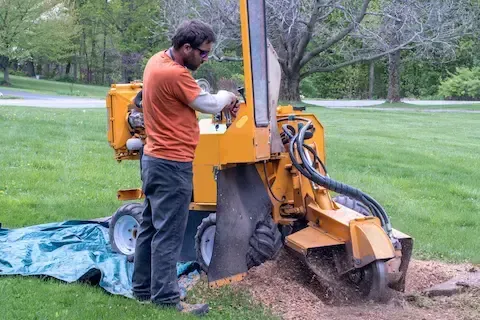
Stump Grinding and Removal in Mountlake Terrace WA
When trees are removed from your property in Mountlake Terrace, the remaining stump presents both aesthetic and practical challenges. These remnants can harbor pests, create tripping hazards, and prevent full use of your landscape. Understanding your stump removal options helps you make informed decisions about restoring your property's functionality and appearance.
Understanding Stump Grinding vs Complete Removal
Property owners face two primary approaches when dealing with tree stumps. Stump grinding involves using specialized machinery to chip away the visible portion of the stump and major surface roots, typically grinding 6-12 inches below ground level. This process leaves the root system intact underground, where it naturally decomposes over several years.
Complete stump removal, by contrast, involves excavating the entire stump and root ball from the ground. This method requires heavy equipment and results in a large hole that needs backfilling. While more invasive, complete removal eliminates all traces of the tree and prevents any potential regrowth.
Most Mountlake Terrace homeowners choose grinding for its efficiency and cost-effectiveness. The process typically takes 30 minutes to 2 hours depending on stump size, compared to half a day or more for complete removal. Grinding also preserves surrounding landscaping and requires minimal cleanup.
The wood chips produced during grinding serve multiple purposes. You can use them as mulch around other plants, incorporate them into compost, or have them hauled away. Many homeowners appreciate this byproduct as it provides immediate landscape material.
Factors Affecting Stump Removal Timing and Approach
Several conditions influence when and how you should address stump removal. Fresh stumps from recently cut trees are often easier to grind due to softer wood, while older stumps may have hardened and require more aggressive equipment. However, very fresh stumps with active sap flow can gum up grinder teeth, so waiting 2-4 weeks after tree removal is often optimal.
Weather conditions play a significant role in scheduling. Wet soil conditions in Mountlake Terrace during winter months can make equipment access challenging and increase lawn damage. Spring through fall typically provides better working conditions, with drier soil that supports heavy machinery without excessive compaction or rutting.
Your future landscape plans should guide timing decisions. If you're planning immediate replanting or construction, complete removal might justify the additional cost. For areas that will remain lawn or receive light landscaping, grinding provides adequate clearance for most purposes.
Stump size and species affect both approach and pricing. Hardwood stumps like oak or maple require more time and equipment wear than softwood species. Large stumps over 24 inches diameter may need specialized equipment or extended grinding time. Multiple stumps can often be addressed more cost-effectively in a single service visit.
Equipment and Process Considerations
Professional stump grinding employs various machine sizes depending on access and stump characteristics. Self-propelled track units can navigate tight spaces and work efficiently on slopes, while larger tow-behind grinders handle big jobs more quickly but require clear access paths.
The grinding process begins with site preparation, including locating underground utilities and clearing debris around the stump. Professional services contact utility location services before beginning work to prevent dangerous and costly accidents. Property owners should also identify irrigation lines, lighting cables, or other buried features.
Grinding typically starts at the stump's outer edges, working inward and downward. The operator controls depth based on your intended use for the area. Deeper grinding costs more but provides better clearance for future planting or construction. Standard residential grinding reaches 8-12 inches below grade.
Safety protocols during grinding include maintaining safe distances from flying debris, protecting nearby structures, and ensuring proper equipment operation. Stump Removal professionals use protective barriers and follow industry safety standards to protect people and property during the process.
Common Mistakes in Stump Management
Many property owners underestimate the complexity of DIY stump removal. Rental grinders available to homeowners lack the power and efficiency of professional equipment. Operating these machines safely requires experience, and improper use can result in injury or property damage. The cost of rental equipment, combined with time investment and potential complications, often exceeds professional service costs.
Chemical stump removal products marketed to homeowners promise easy solutions but rarely deliver satisfactory results. These products require months or years to show effect and may not work at all on certain species. They also introduce chemicals into your landscape that can affect surrounding plants and soil health.
Burning stumps, while traditional, creates numerous hazards and is prohibited in most urban areas including Mountlake Terrace. Underground roots can smolder for days, creating hidden fire risks. Smoke production violates air quality regulations, and the process provides poor control over the final result.
Ignoring stumps entirely leads to ongoing problems. They attract insects, fungi, and other pests that can spread to healthy trees. Root systems continue growing and can damage foundations, sidewalks, or utilities. Mowing around stumps increases maintenance time and creates safety hazards.
Local Regulations and Considerations in Mountlake Terrace
Mountlake Terrace city regulations may require permits for tree removal and stump grinding in certain situations. Properties with significant slopes, those near critical areas, or work involving large trees may need advance approval. Checking with city planning departments prevents potential violations and fines.
Snohomish County's environmental regulations protect sensitive areas including wetlands, steep slopes, and stream buffers. Stump removal in these zones may require special permits or methods to prevent erosion or habitat damage. Professional services familiar with local regulations ensure compliance throughout the process.
Utility location is particularly important in Mountlake Terrace's established neighborhoods where underground services may not follow standard patterns. Calling 811 at least 48 hours before work begins provides free utility marking and prevents dangerous encounters with gas, electric, or communication lines.
Noise ordinances in residential areas may restrict equipment operation to specific hours, typically 7 AM to 6 PM on weekdays and 9 AM to 5 PM on weekends. Professional services schedule work within these parameters and communicate with neighbors when extended operations are necessary.
Professional Service Selection and Preparation
Choosing qualified stump removal services involves evaluating several factors beyond cost. Proper licensing and insurance protect you from liability if accidents occur. Established local companies understand regional conditions, regulations, and have relationships with utility companies and municipal departments.
Equipment quality and variety indicate a service provider's capability to handle different situations efficiently. Companies with multiple grinder sizes can match equipment to specific job requirements, providing better results at competitive prices. Well-maintained equipment reduces breakdown risks and ensures consistent performance.
Professional services should provide detailed estimates including scope of work, cleanup procedures, and disposal options for generated materials. Clear communication about access requirements, potential lawn damage, and restoration recommendations helps you prepare appropriately and avoid misunderstandings.
Before service arrival, mark sprinkler systems, buried cables, and other underground features. Remove decorative elements, furniture, and obstacles from the work area. The tree trimming & pruning guide for Mountlake Terrace provides additional insights into professional tree service expectations and preparation requirements.
Post-Grinding Landscape Restoration
Proper site restoration maximizes the benefits of stump removal and integrates the area back into your landscape. The grinding process typically leaves a depression filled with wood chips and soil mixture. This material needs time to settle before establishing permanent landscaping.
Wood chip incorporation into surrounding soil improves organic content and drainage over time. However, fresh chips can temporarily tie up nitrogen as they decompose. Adding nitrogen fertilizer or waiting 6-8 weeks before planting allows initial decomposition to stabilize nutrient levels.
Replanting considerations depend on the removed tree's species and size. Large tree root systems may have altered soil pH, drainage patterns, or nutrient availability. Soil testing helps identify any amendments needed for successful new plantings. Different plant species may thrive better than direct replacement with the same tree type.
Grass establishment over former stump sites requires proper soil preparation and timing. Fall seeding typically provides better results in the Pacific Northwest climate, allowing roots to establish before summer heat stress. Quality topsoil addition over the wood chip mixture creates better growing conditions for lawn grass.
Addressing stump removal promptly after tree removal prevents complications and maximizes your landscape options. Professional grinding services provide efficient, safe solutions that restore full use of your property while managing the process within local regulations and environmental considerations. The investment in proper stump removal pays long-term dividends in landscape functionality, safety, and property value.
