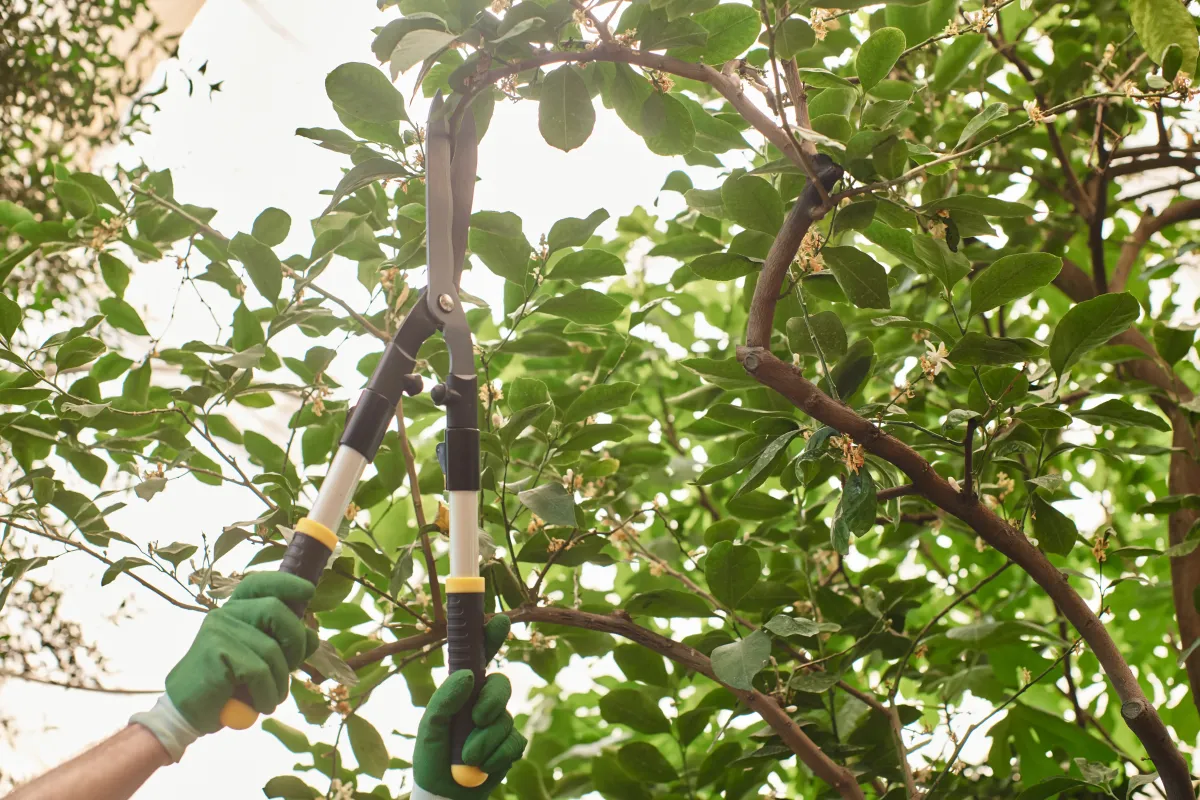
Tree Trimming and Pruning for Mountlake Terrace WA Yards
Understanding Tree Trimming and Pruning in Mountlake Terrace
Tree trimming and pruning are essential maintenance practices for maintaining healthy, safe, and attractive trees in your Mountlake Terrace yard. While these terms are often used interchangeably, they serve different purposes in tree care. Trimming typically focuses on removing overgrown branches for aesthetic purposes and to maintain the tree's shape, while pruning involves the selective removal of diseased, damaged, or dead branches to promote tree health and structural integrity.
In Mountlake Terrace's Pacific Northwest climate, trees face unique challenges including heavy rainfall, occasional windstorms, and varying seasonal conditions. Regular trimming and pruning help your trees withstand these environmental stressors while enhancing your property's curb appeal and safety. Professional Tree Trimming services understand the specific needs of trees in this region and can provide targeted care that keeps your landscape thriving year-round.
The timing and technique of tree trimming and pruning significantly impact the results. Different tree species have varying optimal timing for these services, and improper techniques can lead to disease, pest infestations, or structural weakness. Understanding when and how to approach tree maintenance ensures your investment in your landscape pays dividends in tree health and longevity.
Optimal Timing for Tree Trimming and Pruning
The timing of tree trimming and pruning in Mountlake Terrace depends largely on tree species, current health status, and specific goals for the work. Generally, late fall through early spring represents the ideal window for most deciduous trees, as they enter dormancy and are less susceptible to stress from pruning cuts. This timing also reduces the risk of attracting insects that might spread diseases through fresh cuts.
Evergreen trees, which are abundant in the Mountlake Terrace area, have different timing considerations. Most conifers benefit from light pruning in late spring or early summer when new growth has hardened off but before the next growth cycle begins. However, emergency trimming for storm damage or safety hazards should be addressed immediately regardless of season.
Certain tree species have specific timing requirements that override general guidelines. For example, maple trees should avoid pruning during their heavy sap flow period in early spring, while fruit trees often require precise timing to maintain productive fruiting cycles. Oak trees in this region should be pruned during their dormant season to minimize the risk of oak wilt disease transmission.
Weather patterns in Mountlake Terrace also influence optimal timing. The area's wet winters and occasional ice storms can create urgent trimming needs when branches become hazardous. Planning routine maintenance during dry periods helps prevent complications and ensures proper healing of pruning cuts.
Essential Tree Trimming Techniques
Proper tree trimming techniques are crucial for maintaining tree health and achieving desired aesthetic results. The three-cut method is the gold standard for removing larger branches safely. This technique involves making an initial undercut about 12 inches from the trunk, followed by a top cut slightly further out to remove the branch weight, and finally a clean cut just outside the branch collar to promote proper healing.
Crown thinning involves selectively removing branches throughout the canopy to improve light penetration and air circulation. This technique is particularly beneficial for dense trees in Mountlake Terrace's humid climate, as it reduces the risk of fungal diseases that thrive in poorly ventilated canopies. Proper crown thinning maintains the tree's natural shape while reducing wind resistance during storms.
Crown raising removes lower branches to provide clearance for walkways, vehicles, or structures. This technique requires careful consideration of the tree's balance and overall health, as removing too many lower branches can stress the tree and affect its structural integrity. The general rule is to maintain live branches on at least two-thirds of the tree's height.
Deadheading and sucker removal are maintenance techniques that improve tree appearance and redirect energy toward healthy growth. Deadheading involves removing spent flowers or seed pods, while sucker removal eliminates shoots growing from the base of the tree or along the trunk. These practices are particularly important for ornamental trees in residential landscapes.
Identifying Trees That Need Professional Attention
Several warning signs indicate when trees in your Mountlake Terrace property require professional trimming or pruning services. Dead, diseased, or damaged branches pose immediate safety risks and should be addressed promptly. Look for branches with missing bark, unusual discoloration, fungal growth, or brittle wood that breaks easily.
Structural issues such as codominant stems, crossing branches, or unbalanced canopies require expert assessment and corrective pruning. Codominant stems occur when a tree develops two or more competing main trunks, creating weak attachment points that are prone to failure during storms. Professional arborists can evaluate these situations and recommend appropriate corrective measures.
Trees growing too close to structures, power lines, or other trees often require selective pruning to manage their growth and prevent future problems. In Mountlake Terrace's established neighborhoods, mature trees sometimes outgrow their original planting spaces and need strategic trimming to coexist safely with infrastructure.
Signs of pest infestation or disease may require specialized pruning techniques combined with other treatments. For comprehensive evaluation of tree health issues, consider scheduling our tree health assessment overview to identify problems before they become critical and develop an appropriate treatment plan.
Tools and Equipment for Effective Tree Care
Proper tools are essential for safe and effective tree trimming and pruning. Hand pruners work well for branches up to one inch in diameter and provide precise cuts for detail work. Bypass pruners are preferred over anvil-style pruners because they make cleaner cuts that heal more readily.
Loppers extend your reach and provide additional leverage for branches up to two inches in diameter. Look for loppers with sharp, replaceable blades and comfortable grips that reduce hand fatigue during extended use. Pole saws allow you to reach higher branches while keeping your feet on the ground, improving safety for homeowner maintenance tasks.
Chainsaws are necessary for larger branches and more extensive trimming projects, but they require significant skill and safety training to operate safely. Professional-grade chainsaws offer better balance and control than consumer models, but they also present greater risks if used improperly. Consider the complexity and size of your trimming project when deciding whether to tackle the work yourself or hire professionals.
Safety equipment is non-negotiable for any tree trimming work. Hard hats protect against falling debris, safety glasses shield your eyes from wood chips and branches, and work gloves improve grip while protecting your hands. For work involving ladders or climbing, additional safety gear including harnesses and ropes becomes essential.
Common Mistakes in Tree Trimming and Pruning
Topping is perhaps the most damaging mistake homeowners make when attempting tree trimming. This practice involves cutting main branches back to stubs or lateral branches that are too small to assume the terminal role. Topping stimulates rapid regrowth of weak, poorly attached shoots that are more likely to break during storms and creates large wounds that are difficult for trees to compartmentalize.
Improper timing can stress trees and make them more susceptible to diseases and pests. Pruning during active growth periods or just before dormancy can disrupt the tree's natural cycles and compromise its ability to heal properly. Each tree species has optimal timing windows that should be respected for best results.
Over-pruning removes too much of the tree's canopy at once, reducing its ability to photosynthesize and produce energy for growth and defense against diseases. The general rule is to remove no more than 25% of a tree's canopy in a single year, though this percentage may be lower for stressed or young trees.
Leaving stubs when removing branches prevents proper healing and creates entry points for decay organisms. Proper cuts should be made just outside the branch collar, the swollen area where the branch attaches to the trunk or parent branch. This location allows the tree to compartmentalize the wound most effectively.
Using dull or inappropriate tools results in ragged cuts that heal poorly and may introduce diseases. Clean, sharp cuts made with properly sized tools heal more quickly and reduce the risk of complications. Sterilizing tools between trees or when working on diseased material prevents the spread of pathogens.
Seasonal Considerations for Mountlake Terrace Trees
Spring brings active growth and increased sap flow in many tree species, making it important to complete most pruning work before buds break. However, spring is an excellent time to assess winter damage and remove any branches that suffered storm damage during Mountlake Terrace's wet winter months. Light pruning of spring-flowering trees should wait until after blooming to avoid removing flower buds.
Summer pruning focuses primarily on maintenance tasks such as removing water sprouts, suckers, and deadwood. The full canopy makes it easier to identify dead branches and assess the overall tree structure. Summer is also the time to address any urgent safety concerns that develop, such as branches threatening structures or walkways.
Fall represents prime pruning season for most deciduous trees as they enter dormancy. This timing allows for more extensive pruning work without stressing the tree, and wounds have time to begin compartmentalizing before the next growing season. Fall is also ideal for structural pruning of young trees to establish good form.
Winter pruning takes advantage of bare branches that make tree structure clearly visible. This is the best time to address structural issues, remove crossing branches, and perform corrective pruning. However, extremely cold weather can make cuts heal more slowly, and some species are more susceptible to cold injury from fresh cuts.
Professional vs. DIY Tree Trimming Considerations
Homeowner maintenance typically includes light pruning of small branches, deadheading, and removal of obvious deadwood that can be reached safely from the ground or a stable ladder. Simple tasks such as removing suckers from the base of trees or pruning small ornamental trees fall within the scope of DIY maintenance for many homeowners.
Professional services become necessary when working with large trees, branches near power lines, complex structural issues, or extensive pruning projects. Certified arborists have the training, experience, and equipment to safely perform work that poses risks to inexperienced individuals. They also understand species-specific requirements and can identify potential problems that untrained eyes might miss.
Cost considerations should factor in both the immediate expense and long-term value of professional versus DIY work. While professional services cost more upfront, improper DIY pruning can cause damage that reduces tree value and creates ongoing problems. Professional work also typically includes cleanup and disposal of debris, which can be significant for larger projects.
Insurance and liability issues make professional services advisable for any work involving significant risk. Most homeowner's insurance policies cover professional tree services, but they may not cover damage caused by DIY work that goes wrong. Professional tree services carry appropriate insurance and bonding to protect both themselves and their clients.
Long-term Tree Health and Maintenance Planning
Developing a comprehensive tree care plan helps ensure your Mountlake Terrace landscape remains healthy and attractive over time. Regular maintenance schedules prevent small problems from becoming major issues and help trees develop strong structure from a young age. Most mature trees benefit from professional evaluation every 3-5 years, with more frequent attention for trees with known issues.
Young tree training is crucial for establishing good structure and preventing future problems. Proper pruning during the first few years after planting helps develop a strong central leader and well-spaced scaffold branches. This investment in early training pays dividends throughout the tree's life by reducing the need for corrective work later.
Record keeping helps track pruning history and identify patterns or recurring issues. Simple records noting dates, work performed, and observations about tree health provide valuable information for future care decisions. Photographs can document structural changes over time and help communicate concerns to tree care professionals.
Integration with overall landscape management ensures tree care supports broader landscape goals. Consider how tree growth and pruning decisions affect other plants, structures, and activities in your yard. Coordinate tree trimming with other landscape maintenance to maximize efficiency and minimize disruption to your outdoor spaces.
