Stump Grinding and Removal in Mountlake Terrace WA
Understanding Stump Grinding vs. Complete Removal
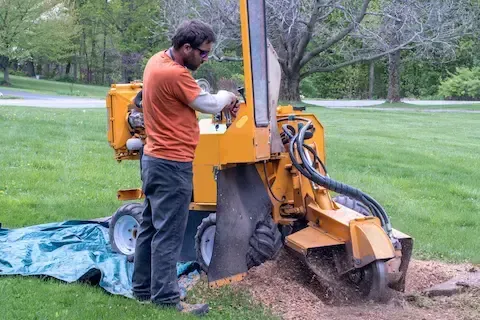
When you're dealing with tree stumps on your Mountlake Terrace property, you have two primary options: grinding the stump down below ground level or complete extraction. Stump grinding involves using specialized machinery to chip away the visible portion and root crown, typically grinding 6-12 inches below the soil surface. This method leaves the root system intact underground, where it will naturally decompose over several years.
Complete stump removal, on the other hand, involves excavating the entire root ball and stump from the ground. This process requires heavy equipment and results in a significantly larger hole that needs backfilling. The choice between these methods depends on your future plans for the area, budget considerations, and the size of the stump involved.
Most Mountlake Terrace homeowners opt for grinding when they plan to plant grass or smaller landscaping features over the area. Complete removal becomes necessary when you're planning construction, installing underground utilities, or planting another large tree in the same location.
Depth Requirements and Soil Considerations
The depth of stump grinding depends on your intended use for the area. For basic lawn restoration, grinding 6-8 inches below grade typically provides sufficient clearance for grass roots and regular lawn maintenance. However, if you're planning to install landscaping features or need to accommodate irrigation systems, you may require grinding depths of 12-18 inches.
Mountlake Terrace's clay-heavy soils present unique challenges for stump work. The dense soil composition can make grinding more difficult and time-consuming, as the equipment must work harder to process both wood and compacted earth. Additionally, clay soils retain moisture longer, which can affect scheduling during Washington's wet seasons.
The root spread in local soils also varies significantly based on tree species and growing conditions. Douglas fir and cedar stumps often have extensive lateral root systems that may extend well beyond the visible stump diameter. Your contractor should assess the full root zone to provide accurate time and cost estimates.
Soil drainage becomes a critical factor when planning the work schedule. Poor drainage areas may require additional drying time or specialized equipment to prevent excessive ground disturbance during the grinding process.
Equipment Access and Site Preparation
Professional stump grinding requires access for heavy machinery, typically track-mounted grinders ranging from 35 to 75 horsepower units. These machines need adequate clearance through gates, around landscape features, and across your lawn areas. Standard residential gates measuring 36-42 inches wide can accommodate smaller self-propelled units, while larger stumps may require equipment that needs wider access points.
Before work begins, you'll need to clear the area around the stump of any obstacles, including sprinkler heads, decorative rocks, garden borders, and low-hanging branches. Most contractors require a 10-foot clearance radius around large stumps to safely operate their equipment and manage debris.
Underground utilities present a major concern during stump work. Stump Removal projects require calling 811 for utility marking before any excavation begins. This is particularly important in Mountlake Terrace neighborhoods where older utility installations may not be accurately mapped or may have been installed at non-standard depths.
Ground protection measures may be necessary to prevent damage to surrounding lawn and landscape areas. Plywood mats or temporary roadway materials help distribute equipment weight and minimize rutting in soft ground conditions.
Debris Management and Cleanup Options
Stump grinding produces substantial quantities of wood chips and debris. A typical 24-inch diameter stump generates approximately 3-4 cubic yards of chips, while larger specimens can produce 8-10 cubic yards or more. You have several options for managing this material based on your property needs and local regulations.
Many homeowners choose to retain the chips for use as mulch in garden beds and around trees. The wood chips provide excellent moisture retention and weed suppression, though fresh chips should be aged for several months before using around sensitive plants. Cedar and fir chips are particularly valuable for long-term mulching applications.
Removal and disposal services are available when you don't want to keep the material on-site. This typically adds to the project cost but eliminates the need for you to manage large quantities of debris. Some contractors can arrange for chips to be delivered to local composting facilities or biomass processing centers.
Burning debris is subject to Mountlake Terrace city regulations and seasonal burn restrictions. Always check current ordinances and obtain necessary permits before attempting to burn stump grinding debris on your property.
Timeline Factors and Stump Size Impact
Project duration varies significantly based on stump characteristics and site conditions. Small stumps under 12 inches in diameter typically require 30-60 minutes for complete grinding, while stumps in the 18-24 inch range may take 1-2 hours. Large specimens over 36 inches can require half a day or more, particularly when grinding to greater depths.
Species type affects grinding time substantially. Softwood species like cedar and fir grind relatively quickly, while hardwoods such as oak and maple require more time due to their density. Additionally, older stumps that have begun to decay often grind faster than fresh-cut stumps with higher moisture content.
Multiple stump projects benefit from economies of scale, as mobilization time and equipment setup costs are spread across several work sites. However, travel time between stumps on the same property should be factored into scheduling, particularly when working around existing landscaping.
Weather conditions significantly impact project timing in the Pacific Northwest. Wet conditions can make sites inaccessible and increase safety risks, while frozen ground during winter months may delay work until conditions improve. Planning stump work during drier months typically results in faster completion and less site disturbance.
Site Restoration and Regrading Preparation
After stump grinding, the remaining depression needs proper preparation for your intended use. The grinding process removes wood mass, leaving a bowl-shaped area that must be filled and leveled. Backfilling typically involves a combination of the remaining wood chips mixed with quality topsoil to achieve proper compaction and drainage.
For lawn restoration, the area should be filled to approximately 2-3 inches above the surrounding grade to account for settling. The wood chip and soil mixture will compress over several months, and additional topdressing may be necessary to maintain level ground. Seeding or sodding should be delayed until the fill material has had time to settle and stabilize.
Compaction becomes critical when the area will support structures or heavy equipment. Proper compaction may require mechanical tamping in lifts, with each layer receiving adequate moisture and compaction before adding additional fill material. our crane removal overview covers related site preparation considerations for larger tree work projects.
Drainage improvements may be necessary in areas where stump removal has disrupted natural water flow patterns. French drains or surface grading modifications help prevent water accumulation in the former stump location.
Cost Considerations and Value Factors
Stump grinding costs typically range from $75-150 per stump for smaller specimens, with larger stumps commanding higher prices based on diameter and complexity. Additional factors affecting cost include site accessibility, depth requirements, cleanup preferences, and the number of stumps being processed in a single mobilization.
Travel charges may apply for single stump projects, as contractors need to transport specialized equipment to your site. Combining stump work with other tree services often provides cost savings through shared mobilization and labor efficiency.
DIY stump grinder rental is available but requires significant physical capability and safety awareness. Rental units typically cost $150-300 per day, not including transportation, fuel, and potential damage deposits. Professional contractors carry insurance coverage and have experience managing the various risks associated with stump grinding operations.
Long-term property value considerations favor complete stump removal in most situations. Remaining stumps and root systems can interfere with future construction, create lawn maintenance difficulties, and potentially harbor pest insects that affect surrounding vegetation.
Professional Selection and Project Planning
Choosing qualified contractors involves verifying insurance coverage, equipment capabilities, and local experience. Contractors should carry both general liability and workers' compensation insurance, with coverage levels appropriate for the scope of work being performed on your property.
Equipment maintenance and operator certification affect both safety and project quality. Well-maintained grinders operate more efficiently and produce better results, while experienced operators can work around obstacles and manage challenging site conditions more effectively.
Written estimates should include all aspects of the work, including grinding depth, debris management, basic site restoration, and any additional services. Clear communication about access requirements, timeline expectations, and site protection measures helps ensure successful project completion.
Scheduling flexibility becomes important during peak seasons and weather-dependent periods. Professional contractors typically book several weeks in advance during busy periods, so early planning helps secure preferred timing for your stump grinding project. For a step-by-step look at how a full lot is cleared before stump work begins, read our land clearing project process walkthrough.
