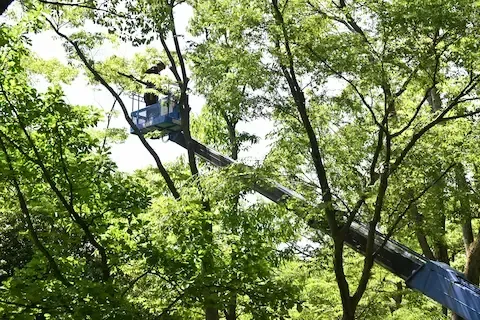
Crane-Assisted Tree Removal in Mountlake Terrace WA
Understanding Crane-Assisted Tree Removal Operations
Crane-assisted tree removal represents the most controlled method for removing large or hazardously positioned trees when conventional felling techniques prove inadequate or unsafe. This specialized approach combines heavy machinery with precision rigging to systematically dismantle trees in sections, protecting surrounding structures and landscapes from damage.
The process involves positioning a mobile crane within operational range of the target tree, where certified arborists work from elevated positions to secure individual sections before cutting. Each piece is then lifted clear of the work area and lowered to a designated staging zone. This method proves essential when trees grow too close to buildings, power lines, or valuable landscaping to allow for traditional directional felling.
Professional tree removal operations in Mountlake Terrace increasingly rely on crane assistance for complex removals, particularly given the area's dense residential development and mature urban forest canopy. The technique requires coordination between crane operators, certified arborists, and ground crews to execute safely and efficiently.
Lot Size and Access Requirements
Crane-assisted removal operations depend heavily on adequate access routes and positioning space for heavy equipment. Mobile cranes typically require firm, level surfaces capable of supporting 40,000 to 80,000 pounds of concentrated weight, depending on crane size and configuration. The crane's outriggers must fully extend to provide stability, creating a footprint significantly larger than the machine itself.
Residential properties in Mountlake Terrace often present access challenges due to narrow streets, parked vehicles, and limited yard space. Standard lot sizes of 6,000 to 8,000 square feet can accommodate smaller cranes with 60-foot booms, while larger trees may require equipment with extended reach capabilities. Property owners should expect crane positioning to temporarily occupy significant portions of available yard space.
Underground utilities, septic systems, and irrigation lines must be located and marked before crane setup. The weight and pressure from outrigger pads can damage buried infrastructure if proper precautions aren't taken. Professional crews use crane mats or plywood distribution plates to spread load forces across larger surface areas, protecting lawns and hardscaping from permanent damage.
Overhead clearances also factor into crane selection and positioning. Power lines, telephone cables, and low-hanging branches from adjacent trees can restrict boom movement and require careful consideration during pre-job planning. Some removals may necessitate temporary utility disconnections or specialized insulated equipment to maintain safe working distances from energized lines.
Rigging Sequences and Piece Management
Systematic dismantling begins with the tree's uppermost sections, working progressively downward to maintain structural stability throughout the removal process. Certified arborists assess each cut location to ensure remaining trunk portions can support the rigging loads and cutting operations without failure or unexpected movement.
Rigging hardware selection depends on piece weights, lifting angles, and safety factors. Steel cables, synthetic slings, and specialized chokers distribute lifting forces across branch or trunk sections while providing secure attachment points. Proper rigging prevents pieces from swinging during lifting operations, maintaining control throughout the removal sequence.
Cut timing and sequencing require precise coordination between climber and crane operator. The arborist completes initial cuts to establish hinge wood before signaling for tension application. This technique allows controlled separation while preventing binding or unexpected piece movement that could endanger personnel or damage equipment.
Each lifted section follows a predetermined flight path from cutting location to staging area. Ground crews prepare landing zones with protection materials and establish clear communication protocols with aerial personnel. Piece sizes are calculated to remain within crane capacity limits while maximizing removal efficiency and minimizing the total number of lifts required.
Weight Distribution and Load Calculations
Accurate weight estimation proves critical for safe crane operations and rigging system selection. Fresh-cut wood contains significant moisture content, substantially increasing piece weights beyond dry lumber calculations. Species-specific density values, combined with measured dimensions, provide baseline weight estimates that crews adjust for actual field conditions.
Dynamic loading factors account for piece movement during lifting operations. Wind conditions, rigging angles, and lifting speeds all influence actual loads experienced by crane and rigging systems. Professional operators typically apply safety factors of 3:1 or higher when calculating working load limits for rigging hardware and crane capacities.
Target Zone Protection and Damage Prevention
Protecting surrounding property and landscaping requires comprehensive planning before crane positioning and tree dismantling begins. Target zones encompass all areas where tree sections, debris, or equipment movement could cause damage during removal operations. These zones extend well beyond the tree's natural fall radius to account for piece swing during crane operations.
Ground protection systems use plywood sheets, crane mats, or specialized padding to shield delicate surfaces from equipment traffic and falling debris. Residential properties often feature intricate landscaping, decorative hardscaping, and irrigation systems that require individual protection measures. Professional crews inventory valuable features within the work area and implement appropriate safeguards.
Building protection may involve installing plywood shields, moving vehicles, and securing loose objects that could be displaced by equipment operation or debris impact. Windows, siding, roofing, and outdoor fixtures receive particular attention when crane booms or lifted sections pass nearby. Some situations require temporary removal of gutters, downspouts, or decorative elements to prevent damage.
Adjacent trees and vegetation need protection from equipment damage and debris impact. Mature specimens near the removal zone may require temporary fencing or padding around trunks and root zones. Crane positioning and outrigger placement must avoid compacting soil around sensitive root systems of trees intended for preservation.
Debris Management and Staging
Efficient debris handling streamlines crane operations and minimizes property impact. Staging areas must accommodate substantial volumes of wood and brush while maintaining clear access routes for equipment and personnel. Material handling equipment like skid steers or mini-excavators may assist with moving large sections from landing zones to processing areas.
Many Mountlake Terrace properties lack sufficient space for on-site debris processing, requiring prompt removal to maintain operational efficiency. Crews coordinate disposal logistics to prevent debris accumulation that could impede ongoing removal operations or create safety hazards.
Risk Assessment and Safety Protocols
Comprehensive hazard identification forms the foundation of safe crane-assisted removal operations. Pre-job surveys document overhead obstructions, underground utilities, structural conditions, and environmental factors that could influence operational safety. Weather conditions, particularly wind speeds and precipitation, directly impact crane stability and operational limits.
Personnel safety protocols establish clear communication systems between crane operators, climbers, and ground crews. Standard hand signals, radio communications, and predetermined emergency procedures ensure coordinated responses during complex lifting operations. All personnel maintain awareness of crane boom positions and potential swing paths throughout the removal process.
Equipment inspection requirements mandate daily safety checks of crane systems, rigging hardware, and cutting tools before operational use. Load testing of rigging components, verification of crane capacity charts, and confirmation of outrigger stability provide essential safety verification. Professional operators maintain detailed inspection logs and replace equipment according to manufacturer specifications and industry standards.
Emergency response planning addresses potential equipment failures, personnel injuries, and property damage scenarios. Crews maintain first aid capabilities, emergency communication systems, and evacuation procedures appropriate for the work environment. Coordination with local emergency services may be necessary for complex removals near critical infrastructure or in densely populated areas.
Weather and Environmental Considerations
Wind conditions significantly impact crane stability and lifting operations. Most crane manufacturers specify maximum wind speeds for safe operation, typically ranging from 20 to 35 mph depending on boom length and load conditions. Gusting winds create dynamic loading that can exceed static weight calculations and compromise operational safety.
Precipitation affects both equipment stability and personnel safety during tree climbing operations. Wet conditions reduce friction between climbing equipment and bark surfaces while creating slippery conditions on crane components and rigging hardware. Many professional crews suspend operations during active precipitation to maintain safety standards.
Professional Equipment and Technical Requirements
Crane selection depends on tree height, weight distribution, and site access limitations. Hydraulic mobile cranes offer the versatility and precision control necessary for tree removal operations. Boom lengths typically range from 60 to 150 feet, with lifting capacities varying inversely with extension distance and boom angle.
Specialized rigging equipment designed for tree work includes synthetic slings, steel chokers, and blocking systems that distribute loads while protecting bark surfaces. Rigging points must accommodate irregular shapes and branch configurations while maintaining secure attachment throughout lifting operations. Professional crews maintain extensive rigging inventories to address varying piece sizes and configurations.
Cutting equipment selection emphasizes lightweight, high-performance chainsaws capable of precise cuts while suspended in climbing harnesses. Bar lengths and powerhead specifications are matched to expected cutting requirements and working positions. Climbing equipment includes specialized harnesses, positioning systems, and fall protection gear designed for aerial tree work.
Communication systems ensure continuous contact between all crew members during complex operations. Two-way radios, hand signals, and predetermined protocols maintain coordination when noise levels and distances challenge normal communication methods. Backup communication systems provide redundancy for critical safety communications.
Maintenance and Certification Standards
Professional crane operations require certified operators with specific training in tree removal applications. Crane operator certifications through organizations like NCCCO verify competency in equipment operation, load calculations, and safety procedures. Additional training in tree work applications addresses unique challenges of working with irregular loads and aerial personnel.
Equipment maintenance programs ensure reliable operation and safety compliance. Regular inspections of hydraulic systems, structural components, and safety devices prevent equipment failures that could endanger personnel or property. Professional operators maintain detailed maintenance records and follow manufacturer specifications for service intervals and component replacement.
Local Considerations and Permit Requirements
Mountlake Terrace municipal regulations may require permits for large tree removals, particularly for trees exceeding specific diameter thresholds or located within designated tree preservation zones. Property owners should verify permit requirements well in advance of planned removal operations to avoid delays or compliance issues.
Street closure or traffic control permits may be necessary when crane operations impact public right-of-way areas. Large cranes often require temporary lane restrictions or complete street closures to maintain safe operational clearances. Coordination with city officials and affected neighbors helps minimize disruption while ensuring regulatory compliance.
Utility notification requirements mandate advance contact with underground utility location services before excavation or heavy equipment operation. Crane outrigger placement and site preparation activities can damage buried utilities if proper precautions aren't followed. Most jurisdictions require 48 to 72 hours advance notice for utility marking services.
Noise ordinances and operational hour restrictions may limit when crane operations can occur in residential areas. Many communities prohibit heavy equipment operation during early morning or evening hours to minimize neighborhood disruption. Professional crews schedule operations within permitted time frames while coordinating with adjacent property owners regarding potential impacts.
For additional insight into structural tree support systems, consult our cabling and bracing notes regarding preventive measures that may reduce future removal requirements.
Professional Implementation and Quality Standards
Successful crane-assisted removal operations require extensive planning, specialized equipment, and certified personnel working in coordinated teams. Property owners benefit from engaging experienced contractors who maintain proper insurance coverage, equipment certifications, and demonstrated competency in complex removal scenarios.
Quality standards encompass not only safe completion of removal operations but also restoration of work areas to pre-project conditions. Professional crews remove all debris, repair any incidental damage, and restore landscaping disturbed during equipment operation. Final site cleanup should leave properties ready for immediate use without additional preparation requirements.
Cost considerations reflect the complexity and specialized nature of crane-assisted operations. Equipment rental, certified personnel, insurance requirements, and permit fees contribute to higher costs compared to conventional removal methods. However, the damage prevention and safety benefits typically justify the investment for challenging removal scenarios where alternative methods pose unacceptable risks.
