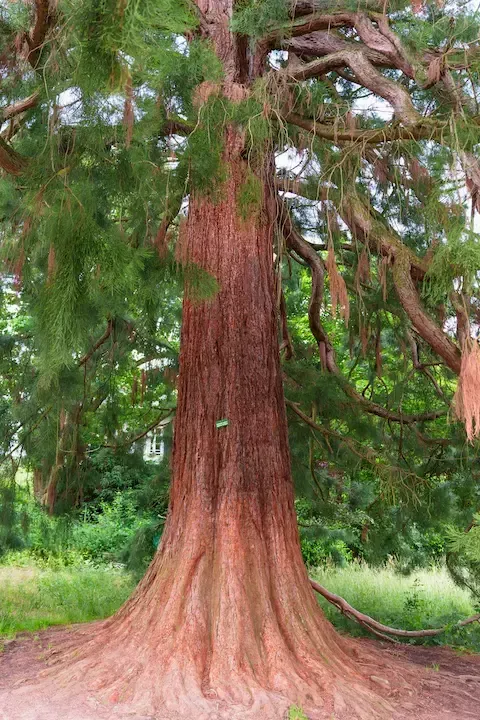
Heritage Tree Designation Rules in Mountlake Terrace
Heritage tree designation in Mountlake Terrace provides formal protection for exceptional trees that contribute to the community's natural character and environmental health. This municipal program recognizes trees of significant size, age, or species value, establishing specific maintenance requirements and protection standards that property owners must follow once designation occurs.
Qualifying Species and Size Requirements
Mountlake Terrace follows Washington State guidelines that establish minimum diameter thresholds for heritage tree consideration. Most deciduous trees qualify when they reach 30 inches in diameter at breast height, while certain species like oak and maple may qualify at smaller sizes due to their longevity and ecological value. Coniferous trees, particularly native species such as Douglas fir and western red cedar, typically require a 36-inch diameter measurement.
The city prioritizes native Pacific Northwest species for designation, recognizing their adaptation to local climate conditions and wildlife habitat value. Significant non-native species may also qualify if they demonstrate exceptional size, health, or historical importance to the community. Property owners should measure tree diameter at 4.5 feet above ground level to determine initial eligibility before beginning the application process. Heritage is only one category the city tracks. Our explainer on the Mountlake Terrace significant tree definition covers the smaller size thresholds that still trigger a permit.
Application Process and Documentation
The heritage tree application requires detailed documentation including professional tree assessment, property survey information, and photographs from multiple angles. Property owners must submit applications through the city's planning department, typically requiring a certified arborist evaluation that confirms tree health, species identification, and accurate size measurements. Heritage Tree Care professionals can provide the specialized assessment and documentation required for successful applications.
Application fees vary based on tree size and complexity of the evaluation process. The planning department reviews submissions within 30 to 45 days, conducting site visits when necessary to verify application details. Approval results in official designation and inclusion in the city's heritage tree registry, which becomes part of the permanent property record.
Protection Standards and Maintenance Requirements
Once designated, heritage trees receive protection from removal, significant pruning, or root zone disturbance without city approval. Property owners assume responsibility for maintaining tree health through appropriate watering, mulching, and professional care when needed. Any construction or landscaping activities within the tree's critical root zone require special permits and adherence to specific protection protocols.
The city may require annual health assessments for aging heritage trees or those showing signs of stress. Property owners must notify the planning department before conducting any work that could impact the tree's health or structural integrity. Emergency removals for safety reasons require immediate notification and subsequent replacement tree planting when space allows. To learn more, refer to our emergency tree removal guide.
Root Zone Protection Guidelines
Critical root zones extend from the tree trunk to a distance equal to 12 times the diameter measurement, creating protected areas where soil compaction, excavation, or chemical applications are strictly regulated. Property owners planning any ground disturbance within these zones must obtain permits and follow approved construction methods that minimize root damage.
Removal Restrictions and Permit Requirements
Heritage tree removal requires extraordinary circumstances such as documented disease, structural failure risk, or unavoidable development conflicts. Property owners must demonstrate that all reasonable alternatives have been considered before the city will approve removal permits. When removal is authorized, replacement requirements typically mandate planting multiple trees of appropriate species to compensate for the lost canopy value.
Unauthorized removal of designated heritage trees results in significant penalties including fines and mandatory restoration costs. The city may require property owners to plant replacement trees with a combined value equivalent to the removed heritage tree, often resulting in expensive landscape restoration projects. Replacement ratios are set by city code and scale with what was removed. See our breakdown of tree replacement requirements and the 3:1 rule before filing a removal permit.
Property Value and Insurance Considerations
Heritage tree designation generally increases property values through enhanced aesthetic appeal and environmental benefits, though it also creates ongoing maintenance obligations that prospective buyers should understand. Property insurance policies may require disclosure of heritage tree status, particularly regarding potential liability for tree-related damage to neighboring properties or public areas.
Some insurance providers offer premium reductions for properties with well-maintained mature trees that provide natural wind protection and energy conservation benefits. Property owners should discuss heritage tree designation with their insurance agents to understand coverage implications and potential adjustments to policy terms. heritage tree protection coverage becomes particularly important when trees are located near structures or property lines.
Professional Assessment and Ongoing Care
Regular professional evaluation helps heritage tree owners maintain compliance with city requirements while preserving tree health and longevity. Certified arborists can identify potential problems early, recommend appropriate treatments, and ensure that any maintenance work meets municipal standards for heritage tree care.
Professional services include health monitoring, pest management, structural support installation when needed, and coordination with city requirements for permitted work. Property owners benefit from establishing relationships with qualified tree care providers who understand both heritage tree regulations and proper arboricultural practices for mature specimen trees.
Community Benefits and Long-term Stewardship
Heritage tree designation supports Mountlake Terrace's urban forest goals by preserving mature canopy that provides air quality improvement, stormwater management, and wildlife habitat. These trees serve as living landmarks that connect current residents with the area's natural history while contributing to neighborhood character and environmental resilience.
Property owners who pursue heritage designation demonstrate commitment to environmental stewardship that benefits the broader community. The program creates incentives for long-term tree preservation while establishing clear standards that protect these valuable natural resources for future generations to appreciate and enjoy.
