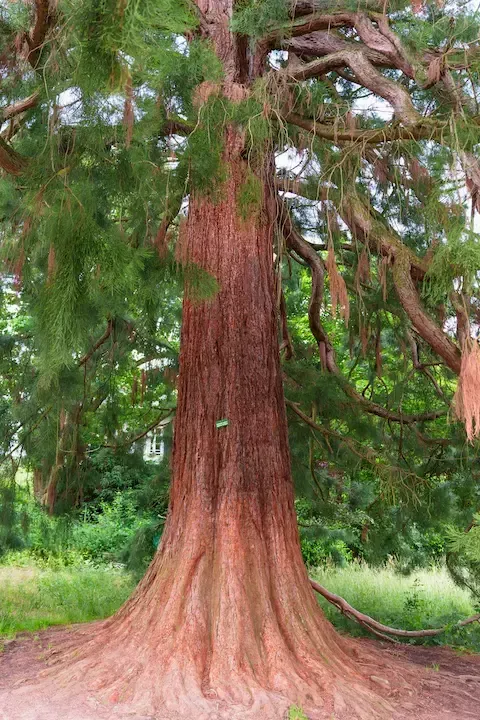
Heritage Tree Protection Process Mountlake Terrace WA
Mountlake Terrace's heritage tree protection program safeguards exceptional trees that contribute significantly to the community's environmental health and aesthetic character. These mature specimens, often decades or centuries old, receive special legal status that requires specific care protocols and restricts removal or modification without proper permits.
The designation process involves multiple evaluation criteria including tree age, species rarity, historical significance, and contribution to the urban canopy. Property owners with potential heritage trees must understand both the benefits of designation and the ongoing responsibilities that accompany this special status.
Before applying for protection, it helps to understand how heritage tree designation rules work in Mountlake Terrace, including the size thresholds and species that qualify.
Heritage Tree Designation Criteria
Mountlake Terrace evaluates trees for heritage status based on specific measurable standards. Trees must typically exceed minimum diameter requirements, usually 24 inches diameter at breast height for most species, though some fast-growing varieties may require larger measurements. Age considerations factor heavily, with preference given to specimens over 50 years old or those representing significant growth achievement for their species.
Historical significance adds substantial weight to designation decisions. Trees planted during the community's founding, memorial plantings, or specimens associated with notable local events often receive priority consideration. Native species that demonstrate exceptional adaptation to local conditions while providing wildlife habitat also rank favorably in the evaluation process.
The tree's overall health and structural integrity must meet safety standards. While heritage designation doesn't require perfect condition, the specimen must demonstrate reasonable longevity potential and not pose immediate safety risks to surrounding properties or public areas.
Location factors influence designation decisions significantly. Trees in highly visible public areas or those contributing substantially to neighborhood character receive favorable consideration. However, specimens on private property can achieve heritage status when they meet other criteria and owners consent to the designation requirements.
Application and Review Process
Property owners or community members can initiate heritage tree designation by submitting applications to Mountlake Terrace's planning department. Applications require detailed documentation including tree measurements, photographs from multiple angles, and site context information showing the specimen's relationship to surrounding structures and landscape features.
Professional arborist evaluation forms a critical component of the review process. Certified arborists assess tree health, structural integrity, species identification, and estimated age. This technical assessment helps city officials make informed decisions about long-term viability and management requirements.
The city planning commission reviews applications during regularly scheduled meetings, allowing for public input and discussion. Property owners receive notification of review dates and may present additional information supporting their application or addressing any concerns raised during the evaluation process.
Site visits by planning staff and consulting arborists typically occur during the review period. These inspections verify application information and assess site-specific factors that might influence ongoing management requirements or safety considerations.
Approval decisions include specific management guidelines tailored to each tree's unique characteristics and site conditions. These requirements become binding conditions that property owners must follow throughout the tree's designated heritage status period.
Permit Requirements for Heritage Trees
Any work performed on designated heritage trees requires advance permit approval from Mountlake Terrace planning authorities. This includes pruning beyond routine maintenance, root zone modifications, nearby construction activities, and especially removal considerations. Permit applications must include detailed work plans and justification for proposed activities.
Pruning permits require demonstration that proposed work follows accepted arboricultural standards and serves legitimate tree health or safety purposes. Cosmetic pruning or convenience-based trimming rarely receives approval unless it aligns with proper tree care practices. All pruning work must be performed by certified arborists familiar with heritage tree requirements.
Construction activities within heritage tree protection zones require special permits addressing root zone protection, grade changes, and equipment access limitations. These permits often mandate protective fencing installation, specialized construction techniques, and ongoing monitoring throughout project duration.
Emergency work permissions allow immediate action when heritage trees pose imminent safety threats. However, property owners must document emergency conditions and seek retroactive approval within specified timeframes. Emergency permits don't waive requirements for professional assessment and proper work execution.
Removal permits face the strictest review standards and typically require demonstration that no reasonable alternatives exist. Applications must include replacement planting plans and often involve monetary contributions to community forestry programs when on-site replacement isn't feasible.
Maintenance and Care Responsibilities
Property owners bear primary responsibility for heritage tree maintenance, including regular monitoring for health issues, structural problems, and environmental stresses. This monitoring should occur seasonally, with particular attention during periods of extreme weather or following significant storms.
Watering requirements become critical during dry periods, especially for heritage trees showing signs of establishment stress or age-related decline. Deep, infrequent watering techniques help maintain soil moisture while encouraging deep root development. Mulching around the tree base conserves moisture and protects against mechanical damage.
Professional Heritage Tree Care services should be engaged annually for comprehensive health assessments and any necessary maintenance work. These professionals understand heritage tree requirements and can identify potential issues before they become serious problems requiring emergency intervention.
Soil management around heritage trees requires careful attention to compaction prevention, drainage maintenance, and nutrient availability. Foot traffic limitations may be necessary to protect root systems, particularly in areas where public access occurs regularly.
Pest and disease monitoring becomes increasingly important as trees age and potentially become more susceptible to various threats. Early detection and treatment of issues help maintain tree health while avoiding more drastic interventions that might compromise heritage status. Day-to-day care matters as much as the paperwork. Our heritage tree care guide for Mountlake Terrace homeowners covers watering, mulching, and the annual inspection schedule.
Protection Zone Requirements
Heritage trees receive designated protection zones extending beyond their canopy dripline to safeguard root systems and maintain optimal growing conditions. These zones typically extend 1.5 times the canopy radius from the trunk, creating substantial protected areas that affect property use and development options.
Activities prohibited within protection zones include soil compaction from vehicle traffic, grade changes that alter drainage patterns, chemical applications that might affect root health, and storage of materials that could damage bark or interfere with natural processes.
Landscaping modifications within protection zones require careful planning to avoid root damage and competition for water and nutrients. New plantings must be compatible with existing heritage tree requirements and not create maintenance conflicts or aesthetic disruption.
Construction setback requirements often exceed standard protection zone dimensions when major development or renovation projects are planned. These expanded setbacks account for equipment access needs, material storage requirements, and construction-related soil disturbance that could affect tree health.
Utility work within protection zones faces special restrictions and often requires alternative routing or installation techniques. Underground utility placement must avoid major root zones, while overhead work must account for branch clearance and future growth patterns.
Benefits and Incentives
Heritage tree designation provides property owners with various benefits including potential property tax considerations, recognition in community preservation programs, and access to technical assistance from city forestry personnel. These incentives help offset the additional responsibilities associated with heritage status.
Grant programs and cost-sharing opportunities may be available for heritage tree care and maintenance expenses. Mountlake Terrace occasionally offers financial assistance for professional assessments, emergency treatments, or specialized care requirements that exceed normal property maintenance expectations.
Educational resources and workshops provide ongoing support for heritage tree owners, covering topics like seasonal care requirements, problem identification, and coordination with professional service providers. These programs help property owners maintain their trees effectively while meeting designation requirements.
Community recognition through heritage tree registries, commemorative plaques, and inclusion in local historical documentation adds value to properties while celebrating their contribution to Mountlake Terrace's environmental heritage. This recognition often enhances property appeal and community standing.
Technical support from city staff and consulting professionals helps property owners navigate complex care decisions and regulatory requirements. This assistance proves particularly valuable when addressing health issues, planning property modifications, or coordinating with professional service providers.
Compliance and Enforcement
Regular inspection programs ensure heritage trees receive appropriate care and that property owners comply with designation requirements. City staff conducts periodic assessments, responding to complaints and monitoring tree condition changes that might require intervention or updated management approaches.
Violation penalties escalate based on severity and whether unauthorized work has occurred. Minor compliance issues typically result in warnings and correction requirements, while major violations like unauthorized removal can result in significant fines and mandatory replacement obligations.
Appeal processes allow property owners to contest designation decisions, permit denials, or enforcement actions through formal hearing procedures. These appeals provide due process protection while maintaining program integrity and community environmental goals.
Documentation requirements help track heritage tree status, care history, and any modifications approved through the permit process. Property owners must maintain records of professional services, permit applications, and any correspondence with city officials regarding their heritage trees.
Coordination with tree removal services ensures that any necessary work on heritage trees follows proper procedures and maintains compliance with all applicable regulations and care standards.
Long-term Management Considerations
Heritage trees require ongoing adaptation of care practices as they age and site conditions change over time. Management plans should anticipate future needs including structural support requirements, increased susceptibility to pests and diseases, and potential conflicts with property development or infrastructure changes.
Succession planning becomes important for aging heritage specimens, particularly when their long-term viability comes into question. Property owners should work with city officials and professional arborists to develop transition strategies that maintain site benefits while addressing safety and practical concerns.
Climate adaptation considerations increasingly influence heritage tree management as environmental conditions change over time. Care practices may need modification to address altered precipitation patterns, temperature extremes, and new pest pressures that weren't factors when trees achieved heritage status.
Community involvement helps ensure heritage tree protection remains a shared priority across changing property ownership and municipal administrations. Neighborhood groups, environmental organizations, and civic associations play important role s in advocating for continued protection and proper care.
The heritage tree protection process in Mountlake Terrace represents a collaborative effort between property owners, city officials, and professional service providers to preserve irreplaceable urban forest resources for future generations. Success depends on understanding requirements, maintaining consistent care practices, and adapting management approaches as trees and community conditions evolve over time. To learn more, review our emergency tree removal playbook.
