Emergency Tree Removal Playbook Mountlake Terrace WA
When a tree becomes an immediate threat to your Mountlake Terrace property, you need a systematic approach that prioritizes safety while protecting your investment. Emergency tree situations don't follow business hours, and the decisions you make in those critical first moments can determine whether you're dealing with minor property damage or a catastrophic loss. This comprehensive playbook walks you through every step of the emergency tree removal process, from initial hazard assessment to final cleanup, ensuring you're prepared when nature strikes unexpectedly.
Recognizing True Tree Emergencies
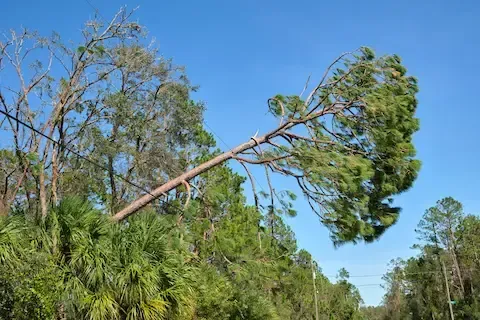
Not every fallen branch constitutes an emergency, but certain situations demand immediate professional intervention. A tree emergency exists when structural failure poses imminent danger to people, buildings, or critical infrastructure. Trees leaning at severe angles after storms, with visible root exposure or soil upheaval, represent clear emergencies requiring immediate evacuation of the affected area.
Large branches hanging by bark strips over walkways, driveways, or structures create unpredictable hazards that can fall without warning. Trees with major trunk splits, especially those extending more than halfway through the diameter, compromise the entire structure's integrity. Power line contact scenarios always constitute emergencies, as they combine electrical hazards with structural instability.
Storm-damaged trees with compromised root systems may appear stable initially but can fail suddenly as soil conditions change. Trees blocking emergency access routes or essential services require immediate attention to restore critical functions. Understanding these distinctions helps you respond appropriately rather than waiting for professional assessment when time is crucial.
Not every hazard arrives as a fallen tree. Our guide to reading leaning tree risks on Mountlake Terrace properties covers how to tell a stable lean from an active failure.
Immediate Safety and Containment Protocols
Your first priority involves establishing safe perimeters around the hazard zone. Create an exclusion area extending at least twice the tree's height in all directions, marking boundaries with bright tape or temporary barriers. This buffer zone accounts for unpredictable falling patterns and ensures adequate safety margins for emergency responders.
Power line involvement requires special protocols. Never assume downed lines are inactive—treat all electrical contact as live and maintain minimum 35-foot distances. Contact your utility company immediately for electrical hazard assessment and disconnection procedures. Document power line involvement thoroughly, as this affects both removal methods and insurance considerations.
Structural damage assessment comes next. Examine buildings, vehicles, and hardscaping for immediate impact damage and secondary risks. Look for compromised rooflines, damaged siding, or foundation displacement that could worsen during removal operations. Photograph all damage from multiple angles before any removal work begins, creating essential documentation for insurance and contractor coordination.
Water and gas line considerations often get overlooked during emergency response. Check for service line damage near root zones, especially with uprooted trees. Damaged irrigation systems can create slip hazards and complicate equipment access. Shut off affected utilities as a precautionary measure until professional assessment confirms system integrity.
Professional Emergency Response Coordination
Emergency tree removal requires specialized equipment and expertise that most property owners lack. Professional services bring crane trucks, specialized rigging equipment, and trained operators capable of handling complex removals safely. Attempting emergency removal without proper equipment often escalates the situation, creating additional hazards and potential liability issues.
Qualified emergency tree services maintain 24-hour response capabilities and prioritize calls based on risk assessment. When contacting services, provide detailed hazard descriptions, including proximity to structures, power line involvement, and access limitations. This information helps crews arrive with appropriate equipment and staffing for your specific situation.
Professional assessment begins with comprehensive hazard evaluation using industry-standard protocols. Certified arborists evaluate structural integrity, removal complexity, and equipment requirements before developing removal strategies. This assessment phase, while seeming time-consuming during emergencies, prevents dangerous mistakes and ensures efficient removal execution.
Coordination with local authorities may be necessary depending on your situation. Emergency Tree Removal services often work directly with fire departments, utility companies, and municipal services to ensure coordinated response efforts. Street closures, utility shutoffs, and traffic control may be required for safe removal operations.
Insurance Documentation and Claims Management
Proper documentation begins immediately after establishing safety perimeters. Photograph the emergency situation from multiple angles, capturing the tree's position relative to structures, utility lines, and other property features. Date and timestamp all documentation to establish the emergency timeline for insurance purposes.
Insurance notification should occur as soon as practical after ensuring immediate safety. Most policies require prompt notification of emergency situations, and delays can complicate claims processing. Provide insurers with initial damage assessments and professional service estimates when available, but avoid committing to specific repair approaches until adjusters complete their evaluation.
Emergency tree removal costs often qualify for immediate reimbursement when safety hazards exist. However, insurance companies distinguish between emergency removal and routine tree service, requiring clear documentation of the emergency circumstances. Professional removal services familiar with insurance requirements can provide properly formatted estimates and documentation supporting emergency classifications.
Damage assessment extends beyond obvious impact areas. Hidden damage to foundations, underground utilities, or structural components may not be immediately apparent. Professional inspections by qualified contractors help identify all damage requiring repair or replacement, ensuring comprehensive insurance claims that cover actual losses.
Equipment and Resource Requirements
Emergency tree removal demands specialized heavy equipment that varies based on tree size, location, and access constraints. Crane trucks with appropriate lift capacity and reach provide controlled removal for trees near structures or utility lines. Bucket trucks offer precision cutting for elevated work, while ground-based equipment handles brush clearing and debris processing.
Rigging equipment becomes crucial for controlled lowering of large sections. Professional-grade ropes, pulleys, and anchoring systems allow precise placement of cut sections, preventing additional property damage during removal. Chainsaw selection depends on wood characteristics and cutting requirements, with larger saws needed for trunk sections and precise saws for detail work.
Stump grinding equipment ranges from small track units for tight access areas to large rubber-tired grinders for efficient processing. Debris handling requires dump trucks, chippers for brush processing, and sometimes specialized hauling equipment for large wood sections. Equipment selection affects both removal timeline and total project costs.
Safety equipment for crew protection includes hard hats, eye protection, hearing protection, and cut-resistant clothing. Fall protection systems become necessary for elevated work, while first aid equipment and communication devices ensure crew safety throughout operations. Professional services maintain comprehensive safety equipment inventories and crew certification requirements.
Mountlake Terrace Specific Considerations
Mountlake Terrace's mature tree canopy creates unique emergency removal challenges. The city's established neighborhoods feature large heritage trees planted decades ago, many reaching sizes that require specialized removal equipment. Property lot sizes and street widths often limit equipment access, requiring creative removal strategies and smaller, more maneuverable equipment.
Local soil conditions affect both tree stability and equipment operation. The area's clay-based soils become soft and unstable during wet weather, complicating heavy equipment access and increasing tree failure risks during storms. Understanding these soil characteristics helps predict failure patterns and plan appropriate removal approaches.
Municipal permit requirements may apply to emergency removals, especially for heritage trees or significant specimens. While true emergencies typically receive expedited processing, documentation requirements still apply. Local tree services familiar with Mountlake Terrace procedures can navigate permit requirements efficiently while maintaining compliance with municipal codes.
Utility infrastructure throughout Mountlake Terrace includes both overhead and underground services. Older neighborhoods may have service lines running through mature tree root zones, creating additional complexity during emergency removals. Coordination with Puget Sound Energy, water districts, and telecommunications providers ensures safe utility protection during removal operations.
Post-Emergency Site Restoration
Site cleanup extends beyond simple debris removal to include soil stabilization and landscape restoration. Root system removal often leaves significant soil disruption requiring backfilling and grading to restore proper drainage patterns. Compacted soil from heavy equipment operation needs decompaction treatment to support future landscaping efforts.
Damaged lawn areas require assessment for repair versus replacement approaches. Soil compaction, fuel spills, and debris grinding can compromise grass health, necessitating soil amendment and reseeding programs. Professional landscape restoration services understand the time-sensitive nature of repair work and coordinate efforts to minimize long-term damage.
Infrastructure repair coordination involves multiple trades and service providers. Damaged driveways, walkways, and hardscaping require specialized repair contractors, while utility damage needs coordination with service providers for proper restoration. Sequencing these repairs properly prevents redundant work and ensures lasting results.
Future hazard mitigation planning helps prevent similar emergencies. Professional arborists can assess remaining trees for structural problems, recommend preventive treatments, and suggest landscape modifications reducing future risks. Our heritage tree guidance helps property owners develop long-term tree management strategies preventing emergency situations.
Legal and Liability Considerations
Property line trees create complex liability scenarios during emergencies. Washington state law generally holds property owners responsible for trees on their property, but shared trees may involve joint liability with neighbors. Emergency situations don't eliminate these legal considerations, making proper documentation and communication with adjacent property owners essential.
Contractor licensing and insurance verification becomes crucial during emergency situations when normal vetting processes may be shortened. Verify that emergency services carry appropriate liability insurance, workers compensation coverage, and proper licensing for tree removal operations. Unlicensed operators may seem cost-effective but create significant liability exposure for property owners.
Permit violations during emergencies can result in significant fines and legal complications. While emergency situations may provide some regulatory flexibility, proper notification and documentation remain important. Working with professional services familiar with local requirements helps ensure compliance even under emergency conditions.
Damage to neighboring property during removal operations creates potential liability issues. Professional services carry liability insurance specifically covering property damage during tree removal, while property owners attempting self-removal may find their homeowner's insurance doesn't cover such activities. Understanding coverage limitations helps inform decision-making during emergency situations.
Long-Term Prevention Strategies
Regular tree health assessments by certified arborists identify potential failure risks before they become emergencies. Annual inspections focus on structural problems, disease symptoms, and environmental stress factors that compromise tree stability. Early intervention through pruning, cabling, or removal prevents more costly emergency situations.
Storm preparation protocols help minimize emergency risks during severe weather events. Pre-storm pruning removes weak branches likely to fail, while proper mulching and watering maintain tree health and stability. Emergency contact information for qualified tree services should be readily available before storms arrive.
Landscape design modifications can reduce future emergency risks while maintaining aesthetic appeal. Strategic tree placement away from structures and utility lines, species selection appropriate for local conditions, and proper spacing for mature size all contribute to safer landscapes. Professional landscape designers understand these principles and can recommend improvements during restoration projects.
Understanding your trees' life cycles helps predict when emergency risks increase. Mature trees eventually decline and require removal, but proactive planning allows controlled removal under favorable conditions rather than emergency response during storms. Regular professional assessment provides guidance for these long-term decisions.
