Emergency Tree Removal for Mountlake Terrace WA Homeowners
When trees become hazardous due to storms, disease, or structural failure, Mountlake Terrace homeowners need swift professional response to protect their property and safety. Emergency tree removal involves immediate assessment and safe extraction of dangerous trees that pose imminent threats to homes, power lines, or public areas. Understanding the process, timing, and local considerations helps property owners make informed decisions during these urgent situations.
Recognizing Emergency Tree Situations
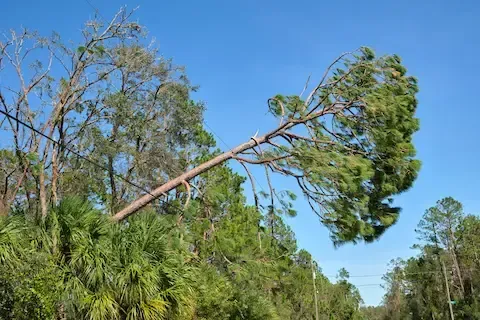
Emergency tree removal becomes necessary when trees present immediate danger to people or property. Storm-damaged trees with split trunks, partially fallen branches hanging precariously, or trees leaning dangerously toward structures require immediate professional attention. Trees that have already fallen across driveways, sidewalks, or power lines also constitute emergency situations requiring prompt removal.
Signs that indicate emergency removal needs include visible root system exposure after heavy rains, large cracks in the trunk, sudden lean development, or branches breaking and hanging by bark strips. Trees struck by lightning often require immediate removal even if they remain standing, as internal damage can cause delayed failure. In Mountlake Terrace's wet climate, saturated soil conditions can compromise root stability, making previously healthy trees suddenly dangerous.
Property owners should never attempt to remove emergency trees themselves, as the risks of injury from chainsaw accidents, falling debris, or electrical contact far outweigh any cost savings. Professional Emergency Tree Removal services have the equipment, training, and insurance necessary to handle these dangerous situations safely.
Weather-Related Emergency Conditions
Mountlake Terrace's Pacific Northwest location exposes properties to various weather conditions that create tree emergencies. High wind events, common during winter storm systems, can uproot shallow-rooted trees or snap branches weakened by previous damage. Ice storms, though less frequent, add tremendous weight to branches and can cause catastrophic failures even in healthy trees.
Heavy snow loads combined with strong winds create particularly hazardous conditions for evergreen trees with dense foliage that catches and holds precipitation. The area's clay-heavy soils become saturated during extended rainy periods, reducing root grip and making trees susceptible to windthrow. These soil conditions are especially problematic for large conifers with shallow root systems.
Summer thunderstorms, while less common, can produce sudden microbursts or lightning strikes that damage trees without warning. Property owners should inspect trees after any significant weather event, looking for new cracks, changes in lean angle, or hanging branches that weren't present before the storm.
Immediate Response Protocols
When facing a tree emergency, homeowners should first ensure personal safety by staying clear of damaged trees and any downed power lines. Contact emergency services if trees have fallen across roads, damaged power lines, or pose immediate threats to occupied structures. Document the situation with photographs for insurance purposes, but maintain safe distances while doing so.
Next, contact a certified emergency tree removal service immediately. Many companies offer 24-hour emergency response specifically for urgent tree situations. Provide clear descriptions of the hazard, including the tree's size, location relative to structures, and any power lines involved. This information helps crews arrive with appropriate equipment and safety protocols.
While waiting for professional help, establish a safety perimeter around the damaged tree and keep family members, pets, and neighbors away from the area. Avoid using the affected areas of your property until professionals have assessed and addressed the situation. If trees have damaged your home's structure, contact your insurance company to report the claim and discuss temporary living arrangements if necessary.
Professional Assessment and Planning
Emergency tree removal professionals begin with thorough hazard assessment to determine the safest removal approach. This evaluation considers the tree's current stability, surrounding obstacles, potential fall zones, and any utilities that might be affected during removal. Certified arborists can identify hidden damage that might not be obvious to property owners, such as root damage or internal trunk decay.
The assessment phase includes determining whether partial removal might stabilize the situation temporarily or if complete removal is necessary. Some emergency situations allow for strategic limb removal to reduce weight and risk while preserving viable portions of the tree. However, severely compromised trees typically require complete removal to eliminate ongoing hazards.
Professional crews develop detailed removal plans that account for equipment positioning, fall direction control, and debris management. This planning phase is crucial for protecting surrounding property and ensuring worker safety during what are inherently dangerous operations. Understanding our heritage tree care overview helps property owners appreciate the complexity involved in safe tree removal practices.
Equipment and Safety Considerations
Emergency tree removal requires specialized equipment beyond standard landscaping tools. Professional crews use boom trucks or cranes to access and control tree sections during removal, preventing uncontrolled falls that could cause additional property damage. Rigging systems with cables and pulleys allow controlled lowering of large branches and trunk sections.
Safety equipment includes hard hats, cut-resistant clothing, safety harnesses, and eye protection for all crew members. Chainsaw operators require additional protective gear including chainsaw chaps, steel-toed boots, and hearing protection. Emergency crews also carry first aid equipment and communication devices for coordinating with ground personnel and emergency services.
Electrical safety becomes paramount when trees are near or in contact with power lines. Only utility companies or their authorized contractors should handle trees touching active electrical lines. Tree service companies coordinate with utility providers to ensure power disconnection when necessary before beginning removal operations.
Insurance and Cost Factors
Homeowners insurance typically covers emergency tree removal when trees damage covered structures or block necessary access routes. However, coverage varies significantly between policies, and many insurers have specific requirements for emergency tree situations. Some policies cover removal costs only if trees actually damage the home, while others include preventive removal of imminently dangerous trees.
Emergency tree removal costs reflect the urgent nature and increased risks involved in these operations. Night and weekend service calls typically include premium pricing due to the immediate response required and additional safety measures necessary for low-light operations. However, prompt action often prevents much more expensive property damage that could result from delayed response.
Property owners should contact their insurance companies immediately after tree emergencies to understand their coverage and claim procedures. Many insurers have preferred contractor networks for emergency tree removal, and using approved vendors can streamline the claims process. Keep detailed records of all emergency tree service costs for insurance reimbursement purposes.
Post-Removal Considerations
After emergency tree removal, property owners must address several follow-up considerations. Stump removal, while not always urgent, prevents pest attraction and allows for property restoration. Some emergency removals leave significant soil disturbance that requires grading and replanting to prevent erosion issues.
The removal of large emergency trees often exposes previously shaded areas to direct sunlight, potentially affecting nearby plants and landscaping. Property owners might need to adjust irrigation systems or provide temporary shading for sensitive plants while they adapt to changed light conditions. Consider these factors when planning landscape restoration after emergency tree removal.
Tree replacement planning should consider the reasons for the emergency removal. If soil conditions, drainage issues, or structural conflicts contributed to the tree failure, address these underlying problems before replanting. Select replacement species appropriate for Mountlake Terrace's climate and your specific site conditions to prevent future emergency situations.
Local Mountlake Terrace Regulations
Mountlake Terrace municipal codes may require permits for tree removal in certain circumstances, though emergency situations typically receive expedited treatment. The city's tree preservation ordinances balance public safety needs with urban forest conservation goals. Property owners should familiarize themselves with local regulations regarding tree removal and replacement requirements.
Some emergency tree removals near property lines require neighbor notification or coordination, particularly when debris or equipment must cross property boundaries. Snohomish County health department regulations may apply to trees removed due to disease or pest infestations, requiring specific disposal methods to prevent spread to nearby properties.
Utility easements throughout Mountlake Terrace give utility companies rights to remove trees threatening electrical infrastructure. Property owners should understand these easement rights and coordinate with utility providers when emergency tree situations involve power lines or other utilities running through their property.
Prevention and Long-Term Tree Management
While some tree emergencies result from unpredictable weather events, many can be prevented through proactive tree care and regular professional inspections. Annual assessments by certified arborists can identify developing problems before they become emergency situations. This preventive approach protects property investment while maintaining the urban forest that makes Mountlake Terrace an attractive community.
Proper tree selection for new plantings considers mature size, root system characteristics, and local growing conditions. Avoiding tree species known for brittleness or shallow root systems in areas prone to wind exposure reduces future emergency risks. Regular pruning maintains tree structure and removes potentially hazardous branches before they become dangerous.
Emergency tree removal, while sometimes unavoidable, represents a significant disruption to both property and the broader community forest. Understanding the process, maintaining relationships with qualified tree service providers, and implementing preventive care strategies helps Mountlake Terrace homeowners protect their properties while preserving the area's valuable tree canopy for future generations.
