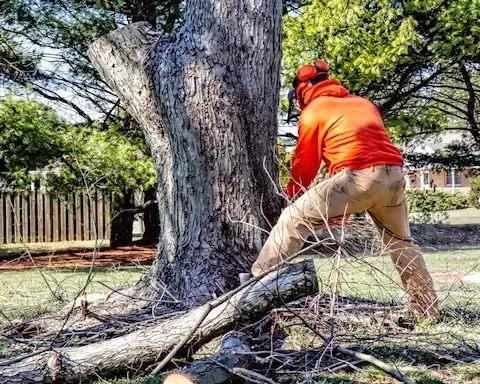
Arborist Consultations for Mountlake Terrace WA Homeowners
Understanding Professional Tree Assessment Services
When you're facing complex tree-related decisions on your Mountlake Terrace property, professional arborist consultations provide the expertise needed to make informed choices. These comprehensive assessments go far beyond basic tree services, offering detailed evaluations of tree health, structural integrity, and long-term management strategies. An ISA Certified arborist brings specialized knowledge of Pacific Northwest tree species, local soil conditions, and regional climate factors that directly impact your landscape.
Professional consultations typically involve thorough visual inspections, soil analysis when necessary, and detailed documentation of findings. Your arborist will assess factors like root system health, branch structure, disease symptoms, and environmental stresses that may not be apparent to untrained observers. This systematic approach ensures that recommendations are based on scientific principles rather than guesswork, providing you with reliable guidance for protecting your property investment.
The consultation process also includes evaluation of potential risks, such as branches overhanging structures, trees with compromised stability, or specimens showing signs of decline. These assessments are particularly valuable when dealing with mature trees, where the cost of removal or extensive treatment makes professional evaluation essential for sound decision-making.
Common Situations Requiring Expert Evaluation
Property owners in Mountlake Terrace frequently seek arborist consultations when purchasing homes with established landscapes. Pre-purchase tree assessments can reveal hidden issues like root damage, structural weaknesses, or disease problems that could result in significant future expenses. These evaluations often uncover maintenance needs that weren't apparent during initial property inspections, allowing buyers to negotiate appropriate terms or budget for necessary work.
Storm damage situations also warrant professional consultation, even when damage appears minor. What looks like superficial branch breakage may indicate deeper structural problems or create stress points that could lead to future failures. After severe weather events, arborists can identify compromised trees that pose ongoing risks to buildings, vehicles, or pedestrian areas.
Development and construction projects require specialized consultation to navigate tree preservation requirements and minimize damage to existing specimens. Snohomish County regulations often mandate tree protection during construction, and professional guidance ensures compliance while maximizing preservation of valuable mature trees. Consultations during planning phases can identify which trees can be safely preserved and what protective measures are necessary during construction activities.
Disease diagnosis represents another critical consultation area. Many tree diseases require expert identification for effective treatment, and early intervention often determines whether a valuable specimen can be saved. Symptoms like unusual leaf drop, bark abnormalities, or growth changes may indicate serious problems that require immediate professional attention.
The Comprehensive Assessment Process
Professional arborist consultations begin with detailed site evaluation, including assessment of individual tree specimens and overall landscape conditions. Your arborist will examine root zones, looking for signs of compaction, drainage issues, or root damage that could compromise tree stability. This ground-level assessment often reveals problems that aren't visible when focusing solely on above-ground portions of trees.
Canopy inspection involves careful examination of branch structure, looking for signs of decay, pest activity, or mechanical damage. Advanced diagnostic tools may be employed, including resistance drilling equipment that can detect internal decay without causing significant harm to the tree. These techniques provide detailed information about structural integrity that visual inspection alone cannot reveal.
Documentation forms a crucial component of professional consultations. Your arborist should provide written reports detailing findings, recommendations, and priority levels for suggested actions. Quality reports include photographs, diagrams when appropriate, and clear explanations of identified issues. This documentation proves valuable for insurance purposes, permit applications, and future reference when implementing recommended treatments.
Risk assessment considers both the likelihood of failure and potential consequences. Trees near high-value targets like homes, vehicles, or frequently used areas receive heightened scrutiny. Your arborist will evaluate factors like species-specific failure patterns, environmental stresses, and maintenance history to provide accurate risk ratings for each specimen.
Treatment Recommendations and Management Planning
Following thorough assessment, your arborist will develop comprehensive treatment recommendations tailored to your specific situation and goals. These plans typically include immediate actions for addressing urgent safety concerns, medium-term maintenance activities, and long-range management strategies. Priority ranking helps you allocate resources effectively, addressing the most critical issues first while planning for ongoing care needs.
Pruning recommendations specify timing, techniques, and objectives for each tree requiring maintenance. Different species have optimal pruning seasons, and professional consultation ensures that work is scheduled appropriately to minimize stress and maximize benefits. Detailed pruning specifications help ensure that any contractors you hire understand exactly what work is needed and how it should be performed.
Plant health care programs may be recommended for trees showing signs of stress, disease, or pest problems. These comprehensive approaches often combine soil improvement, targeted fertilization, pest management, and cultural modifications to address underlying problems rather than just treating symptoms. Professional consultation ensures that treatment programs are appropriate for specific conditions and likely to produce desired results.
When dealing with our storm damage cleanup overview, consultations help determine which damaged trees can be restored and which require removal for safety reasons. This guidance proves especially valuable after major weather events when quick decisions are necessary but long-term consequences must be considered.
Common Assessment Mistakes and Misconceptions
Many property owners underestimate the complexity of tree health evaluation, assuming that obvious symptoms tell the complete story. Surface-level observations often miss underlying problems or misinterpret visible signs. For example, early leaf drop might indicate drought stress, root damage, or serious disease, and proper diagnosis requires understanding of species-specific responses and local environmental conditions.
Another common mistake involves delaying professional consultation until problems become severe. Early intervention options are typically less expensive and more effective than emergency treatments or removal. Regular consultations for valuable mature trees can identify developing issues before they become critical, often saving both trees and money in the long run.
Property owners sometimes focus exclusively on immediate costs rather than long-term value when evaluating consultation recommendations. Professional assessments consider factors like property value impact, future maintenance costs, and risk management benefits that may not be apparent to untrained observers. Understanding these broader implications helps ensure that decisions serve your best interests over time.
Self-diagnosis based on internet research or well-meaning advice from non-professionals can lead to inappropriate treatments or missed opportunities for effective intervention. Tree care involves complex interactions between species characteristics, site conditions, and environmental factors that require professional training to properly evaluate.
Local Considerations for Mountlake Terrace Properties
Mountlake Terrace's urban forest includes numerous mature specimens that require specialized care and evaluation. The city's commitment to tree preservation means that property owners often need professional consultation to navigate regulations governing tree removal, especially for significant specimens. Understanding local ordinances and permit requirements helps avoid compliance issues while making necessary tree management decisions.
Soil conditions in the Mountlake Terrace area present unique challenges that professional arborists understand and can address effectively. Clay soils common in the region can create drainage issues that stress trees and promote root problems. Professional consultation identifies these conditions and recommends appropriate management strategies to maintain tree health despite challenging site conditions.
The Pacific Northwest climate creates specific pest and disease pressures that require expert identification and treatment. Local arborists understand regional patterns and can distinguish between problems that require immediate intervention and those that represent normal seasonal variations. This local knowledge proves invaluable for developing appropriate treatment strategies.
Proximity to Puget Sound influences local growing conditions through moderated temperatures and specific humidity patterns. Professional consultation takes these microclimatic factors into account when evaluating tree health and developing management recommendations. Understanding how these conditions affect different species helps ensure that recommended treatments are appropriate for local circumstances.
Professional Certification and Service Selection
ISA Certified arborists have demonstrated competency through rigorous testing and maintain certification through continuing education requirements. This certification ensures that your consultant understands current best practices and scientific principles governing tree care. When selecting consultation services, verify certification status and ask about specific experience with your tree species and local conditions.
Professional Arborist Consultation services should provide comprehensive written reports documenting findings and recommendations. Quality consultants explain their reasoning clearly and are available to answer questions about their assessments. They should also be familiar with local regulations and able to assist with permit applications when necessary.
Experience with insurance claims and legal proceedings can be valuable when consultation relates to property damage or liability concerns. Professional arborists often serve as expert witnesses and understand documentation requirements for various legal contexts. This expertise proves particularly valuable when dealing with neighbor disputes or insurance settlements involving tree-related damage.
Ongoing relationships with qualified consulting arborists provide continuity of care and deep understanding of your property's unique characteristics over time. Regular consultation schedules help maintain tree health proactively rather than responding only to crisis situations. These relationships often result in more effective and cost-efficient tree management programs.
Investment Value and Long-term Benefits
Professional arborist consultations represent investments in property value, safety, and long-term landscape health. Mature trees contribute significantly to property values, and proper care guided by professional assessment helps maximize these benefits. Understanding the true value of your landscape assets enables informed decisions about maintenance investments versus replacement costs.
Risk management benefits of professional consultation often exceed direct tree care costs. Identifying potential hazards before failures occur prevents property damage, personal injury, and associated liability issues. Insurance companies increasingly recognize the value of proactive tree management and may adjust coverage or premiums based on documented professional care.
Educational benefits of working with professional arborists help property owners make better decisions about tree care between consultation visits. Understanding species characteristics, proper maintenance timing, and warning signs to watch for enables more effective stewardship of landscape investments. This knowledge often prevents problems that would otherwise require expensive intervention.
Environmental benefits of properly maintained trees include improved air quality, energy conservation, and stormwater management. Professional consultation ensures that these benefits are maximized through appropriate species selection, proper care, and strategic placement of new plantings when replacements become necessary.
