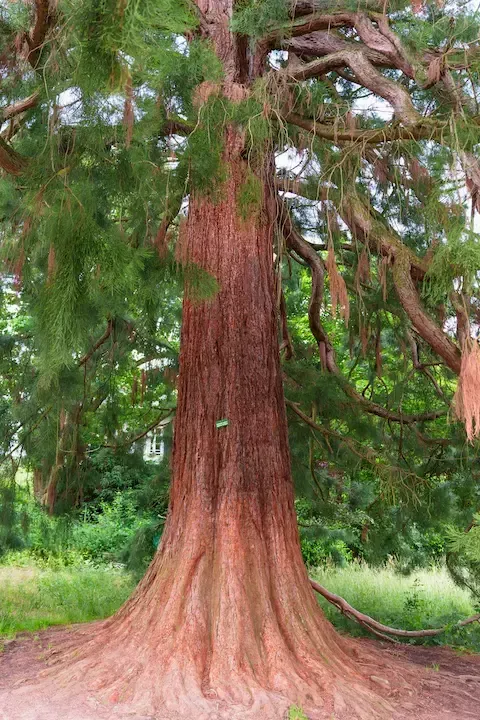
What Qualifies as a Heritage Tree in Mountlake Terrace
A heritage tree in Mountlake Terrace is typically a tree that meets specific criteria related to size, species rarity, ecological function, historic association, or community significance. The most common qualifying threshold is a trunk diameter of 24 inches or more measured at breast height (4.5 feet above grade). Trees may also qualify based on species type, structural condition, or their role in the local environment. Designation is not automatic — a tree must be evaluated and formally recognized. Understanding these criteria helps property owners know what protections may apply and when professional guidance is essential before any work begins.
What Diameter Makes a Tree Qualify as Heritage?
Diameter at breast height, commonly abbreviated DBH, is the primary size measurement used to assess heritage eligibility. In Mountlake Terrace, a DBH of 24 inches is the standard minimum threshold. This measurement is taken at 4.5 feet above the ground on the uphill side of the trunk. Trees with multiple trunks are often evaluated differently — some codes aggregate the diameters, others measure the largest stem. If you are unsure whether a tree on your property meets this threshold, a certified arborist can take an accurate measurement and tell you where that tree stands relative to local standards.
Which Species Are More Likely to Qualify?
Certain native and long-lived species are given greater weight during heritage evaluations. In the Mountlake Terrace area, species such as Douglas fir, western red cedar, big-leaf maple, and Oregon white oak are commonly considered candidates when they reach sufficient size. Rare or unusual species may qualify at smaller diameters if they represent ecological or horticultural significance. Non-native trees are not automatically excluded, but they face a higher bar and must demonstrate some form of historic or community value to earn designation. Species rarity within the city limits is a meaningful factor in borderline cases.
Does Tree Condition Affect Heritage Eligibility?
Yes — structural integrity and overall health are evaluated alongside size and species. A tree that meets the diameter threshold but shows significant decay, major structural defects, or a high likelihood of failure may not qualify for heritage status, or may qualify with conditions attached. Evaluators typically look at crown density, trunk wound response, root zone integrity, and the presence of disease or pest activity. A tree in excellent condition with a long projected lifespan carries much more heritage value than a comparably sized tree in advanced decline. This is one reason why routine care matters — trees that have been well-maintained are stronger candidates for designation.
Can a Tree Qualify Based on Historic or Cultural Value?
Size and species are not the only paths to heritage recognition. A tree may qualify if it has a documented association with a historic event, person, or landmark in Mountlake Terrace. Trees planted at the founding of a neighborhood, associated with a historic property, or identified as culturally significant to a community group can be evaluated on those grounds independently of size. Community-nominated trees often go through a review process that weighs public testimony alongside technical assessment. If you believe a tree on or near your property has historic significance, that context is worth presenting during any formal review or permit process.
What Role Does Ecological Function Play?
Mountlake Terrace sits within a region where tree canopy provides measurable stormwater management, urban cooling, and habitat benefits. Trees that anchor a grove, provide nesting structure for protected bird species, or contribute to a sensitive area buffer may receive additional weight in a heritage evaluation. A large tree adjacent to a stream corridor, wetland, or slope stabilization zone brings ecological function into the designation conversation. Local ordinances sometimes identify these ecological roles explicitly as qualifying criteria, separate from the standard size and species metrics.
How Do You Get a Tree Officially Designated?
In most cases, heritage designation involves submitting documentation to the city, which may include an arborist report, photographs, site measurements, and information about the tree's species and history. Some designations are initiated by the city during development review — if a large tree is identified on a permit application, it may trigger heritage review automatically. Others are owner-initiated or community-nominated. Once designated, a heritage tree typically cannot be removed without a separate permit process, and any significant pruning or work within the root zone may require prior approval. For a homeowner-level overview of what storm cleanup costs and how long each phase takes, see our storm damage tree cleanup guide.
Why Does Heritage Status Matter for Tree Work?
Once a tree is recognized as heritage, the standards for any work performed on it — or near it — change significantly. Routine pruning must follow best practices that preserve structural integrity and long-term health. Root zone disturbance during construction or landscaping projects requires careful planning. Removal without city authorization can result in substantial fines and remediation requirements. For property owners planning any project near a large tree, understanding heritage status before work begins is not just good practice — it is a legal necessity. Working with a qualified arborist familiar with Mountlake Terrace standards protects both the tree and the property owner. Heritage Tree Care services tailored to local requirements help ensure that any work performed meets the city's expectations and supports long-term tree health.
