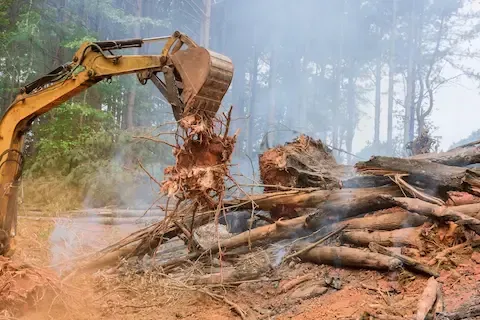
Land Clearing Project Process Mountlake Terrace WA
Clearing a lot in Mountlake Terrace requires careful planning and execution to meet local regulations while achieving your development goals. The land clearing process involves multiple phases, from initial site assessment through final grading, each requiring specific expertise and equipment. Understanding this comprehensive process helps property owners make informed decisions about timeline, costs, and contractor selection for their clearing projects.
Initial Site Assessment and Planning
The land clearing process begins with a thorough site evaluation to identify existing conditions, constraints, and opportunities. Professional contractors conduct soil analysis to determine drainage patterns, compaction levels, and any potential stability issues that could affect clearing methods. This assessment includes cataloging existing vegetation, noting mature trees that may require special removal techniques, and identifying any structures or utilities that need protection during the clearing process.
Topographical surveys establish baseline elevations and help determine the most efficient clearing approach for your specific terrain. Slopes, drainage channels, and natural water flow patterns influence equipment access routes and debris removal strategies. Contractors also evaluate access points to ensure heavy machinery can safely enter and exit the property without damaging neighboring areas or public infrastructure.
Environmental considerations play a crucial role in planning, particularly regarding protected species habitat, wetland boundaries, and stream buffers. Mountlake Terrace properties often require coordination with local environmental agencies to ensure compliance with sensitive area regulations. This planning phase typically takes several days to complete but prevents costly delays or violations during actual clearing operations.
Permit Acquisition and Regulatory Compliance
Most land clearing projects in Mountlake Terrace require permits from the city planning department, particularly for lots exceeding certain size thresholds or involving significant tree removal. The permit application process includes submitting detailed clearing plans, erosion control measures, and restoration proposals for any required replanting areas. Professional contractors familiar with local requirements can expedite this process and ensure all documentation meets city standards.
Tree retention requirements often mandate preserving specific percentages of existing canopy coverage or protecting individual specimens of significant size or species. These regulations require careful planning to identify which trees can be removed while maintaining compliance with local canopy preservation ordinances. Some properties may qualify for tree replacement credits that allow removal of existing vegetation in exchange for planting approved species in designated areas. Retention percentages change once a building permit is attached to the project. See what tree retention rules apply to construction projects in Mountlake Terrace for how the two reviews interact.
Erosion and sediment control measures must be installed before clearing begins, following Washington State Department of Ecology guidelines. These temporary installations protect neighboring properties and water bodies from sediment runoff during and after the clearing process. Proper documentation and inspection of these measures are essential for maintaining permit compliance throughout the project duration.
Equipment Mobilization and Site Preparation
Heavy equipment mobilization requires establishing secure staging areas and access routes that minimize impact on surrounding vegetation and infrastructure. Contractors typically use track-mounted excavators, bulldozers, and specialized forestry equipment designed for efficient tree removal and debris processing. The equipment selection depends on site conditions, including soil stability, slope angles, and proximity to existing structures or utilities.
Site preparation includes installing temporary fencing to define work areas and protect sensitive features scheduled for preservation. Utility marking ensures underground lines remain undamaged during excavation activities, while temporary erosion barriers protect adjacent properties from sediment migration. Professional crews also establish debris staging areas where removed vegetation can be sorted, processed, and loaded for disposal or recycling.
Access road improvements may be necessary to accommodate heavy equipment and debris hauling trucks throughout the project duration. These temporary improvements often include grading, gravel placement, and drainage improvements that facilitate safe equipment operation while protecting existing pavement and landscaping features from damage caused by repeated heavy traffic.
Tree Removal and Processing Operations
Systematic tree removal begins with the largest specimens and works progressively toward smaller vegetation, allowing maximum equipment maneuverability throughout the process. Professional operators use directional felling techniques to control tree fall patterns, minimizing damage to retained vegetation and ensuring worker safety in confined spaces. Large trees are often sectioned into manageable pieces before final removal to prevent damage to surrounding features.
Root system extraction requires specialized equipment and techniques to remove stumps and major root masses without excessive soil disturbance. our stump grinding overview provides detailed information about mechanical grinding versus complete extraction methods, each offering specific advantages depending on future land use plans and soil conditions. Complete extraction may be necessary for areas requiring extensive grading or foundation installation.
Debris processing involves sorting removed vegetation into categories for appropriate disposal or recycling. Larger timber pieces may be suitable for lumber processing or biomass fuel, while brush and smaller material typically gets chipped for compost or landscape mulch applications. This sorting process reduces disposal costs and supports sustainable waste management practices required by many local regulations.
Grading and Soil Preparation
Rough grading establishes basic site contours and drainage patterns using bulldozers and excavators to move soil and shape terrain according to development plans. This process requires careful attention to existing drainage patterns to prevent water accumulation or erosion issues after clearing completion. Professional operators work systematically across the site to achieve consistent grades while preserving topsoil for final restoration activities.
Soil compaction management involves selective decompaction in areas where heavy equipment operation has compressed the soil beyond acceptable levels for future vegetation establishment. This process typically uses specialized tillage equipment or excavator-mounted rippers to restore proper soil structure without creating excessive dust or erosion potential. Proper soil preparation ensures successful establishment of landscaping or agricultural activities following clearing completion.
Drainage system installation may be necessary to manage surface water flow and prevent erosion on cleared areas with significant slope or clay soil conditions. French drains, swales, and retention areas help control water movement while meeting local stormwater management requirements. These features require careful design and installation to function effectively without creating maintenance burdens for property owners.
Debris Removal and Site Cleanup
Systematic debris removal involves loading processed vegetation onto trucks for transport to approved disposal or recycling facilities. Professional contractors maintain relationships with local facilities that accept different categories of organic waste, ensuring cost-effective disposal while supporting environmental sustainability goals. Large-scale clearing projects may require multiple disposal destinations to handle different material types efficiently.
Final cleanup includes removing temporary erosion barriers, equipment staging areas, and access improvements that are no longer needed for ongoing site development. This process restores disturbed areas to stable conditions and removes any debris fragments that could interfere with future construction or landscaping activities. Professional crews conduct thorough inspections to ensure complete removal of all foreign materials from the cleared area.
Site restoration may include topsoil replacement, seed application, or temporary cover crop establishment to prevent erosion until permanent development begins. These measures help maintain permit compliance and protect neighboring properties from sediment or dust issues during the interim period between clearing completion and final development activities.
Quality Control and Final Inspection
Professional contractors conduct comprehensive site inspections to verify that all clearing objectives have been met according to the original project specifications and permit requirements. This inspection includes checking grade elevations, drainage function, and compliance with tree retention requirements. Any deficiencies are addressed before project completion and client handover.
Documentation compilation includes organizing permit compliance records, disposal receipts, and before-and-after photographs for client records and potential future permit applications. This documentation package provides valuable reference information for ongoing property development and demonstrates compliance with all applicable regulations during the clearing process.
Final grading verification ensures that established contours will support intended drainage patterns and prevent water accumulation issues. Professional surveys may be necessary to confirm that final elevations match approved development plans and provide proper foundation for future construction activities. land clearing projects require this level of precision to avoid costly corrections during subsequent development phases.
Long-term Maintenance and Monitoring
Erosion monitoring during the first growing season following clearing helps identify any areas requiring additional stabilization measures or drainage improvements. Regular inspections allow early detection of potential problems before they develop into costly repair situations. Property owners should maintain erosion control measures until permanent stabilization is achieved through construction or vegetation establishment.
Vegetation management may be necessary to prevent unwanted regrowth in cleared areas, particularly from root systems of removed trees or aggressive invasive species. Selective herbicide application or mechanical removal helps maintain cleared areas while protecting any retained vegetation from competition or damage. Professional contractors can provide ongoing maintenance services to ensure long-term success of clearing investments.
The comprehensive land clearing process in Mountlake Terrace requires professional expertise to navigate regulatory requirements while achieving efficient, cost-effective results. Proper planning, execution, and follow-up ensure that cleared properties provide stable foundations for future development while maintaining compliance with local environmental protection standards.
