How Deep Should a Stump Be Ground Mountlake Terrace
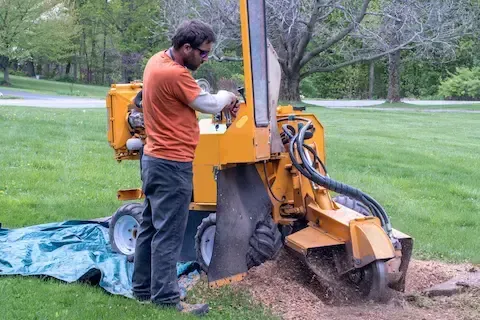
Stump grinding depth in Mountlake Terrace depends on what you plan to do with the space afterward. For most standard lawn areas, grinding 6 inches below grade is sufficient. If you're planting new trees, shrubs, or laying a patio, you'll need 12 inches or deeper. Structural pours — driveways, concrete slabs, or foundations — may require grinding down 18 inches or more to eliminate root mass and prevent settling. The right depth protects your yard, your investment, and whatever comes next on that ground.
What Is the Standard Stump Grinding Depth?
The industry standard for stump grinding is 6 to 12 inches below ground level. Six inches is considered the minimum for clearing surface roots and allowing grass to grow back without interference. At this depth, the remaining wood chips and decaying root material won't significantly disrupt lawn maintenance equipment. For homeowners in Mountlake Terrace who simply want to restore a clean lawn after tree removal, 6 inches is often enough — especially for smaller stumps left by ornamental trees or shrubs common in residential yards throughout Snohomish County.
When Should You Go Deeper Than 6 Inches?
You should go deeper when the surface after grinding will be used for anything more intensive than grass or low groundcover. Here's a practical breakdown:
- Lawn reseeding or sod: 6 inches minimum — roots won't interfere with mowing or root establishment
- Garden beds or new shrubs: 8 to 10 inches — gives root systems room to expand without competing with decomposing wood
- New tree planting: 12 inches or deeper — decomposing stumps can harbor fungal disease that spreads to new plantings
- Patios, pavers, or gravel areas: 12 to 18 inches — prevents organic material from compressing and creating low spots over time
- Concrete slabs, driveways, or structural pours: 18 inches or more — eliminates root mass that could shift or crack hardscape
If you're planning a concrete pour anywhere near where a stump stood, don't guess at the depth. Speak with your Stump Removal contractor before the concrete crew arrives.
Does Tree Species Affect How Deep You Need to Grind?
Yes — tree species matters more than most homeowners expect. Shallow-rooted trees like birch and ornamental cherry, which are common throughout Mountlake Terrace neighborhoods, tend to spread laterally rather than deep. Their stumps may not require grinding as deep as a Douglas fir or big-leaf maple, which can drive taproots well below 18 inches. Conifers common to the Pacific Northwest often have extensive lateral root systems that spread far beyond the visible stump, so even at 12 inches of grinding depth, surface roots may remain active for some time before dying off naturally.
What Happens If the Stump Isn't Ground Deep Enough?
Insufficient grinding creates a predictable set of problems. The most immediate is uneven settling — as wood decomposes below the surface, the ground above sinks, creating dips in your lawn or gaps under hardscape. You may also encounter:
- Regrowth: Some species, particularly maples, can send up sprouts from residual root tissue left close to the surface
- Fungal issues: Decomposing wood is a breeding ground for root rot fungi, which can travel to nearby healthy trees or plantings
- Equipment hazards: Partially ground stumps left near the surface can catch on mower blades or aerator tines
- Failed landscaping projects: Pavers and patios installed over inadequately cleared ground often develop uneven surfaces within a few seasons
These outcomes are especially relevant in Mountlake Terrace, where wet Pacific Northwest winters accelerate wood decomposition and surface moisture issues.
How Do You Know What Depth Is Right for Your Situation?
The best approach is to decide what you're doing with the space before the stump grinding crew arrives. Communicate that plan clearly. A reputable contractor will adjust grinding depth based on your end use — not just grind to a standard depth and move on. Ask specifically what depth they're planning and why. If they can't give you a clear answer tied to your project goals, that's worth noting. For more on stump removal work and what local crews typically recommend for different project types, review what's involved before booking.
Does Grinding Depth Affect Cost?
Grinding deeper takes more time and puts more wear on equipment, so yes — depth affects cost. A standard 6-inch grind on a medium-sized stump in a Mountlake Terrace residential yard will cost less than grinding that same stump to 18 inches for a concrete pour. The diameter of the stump, the root spread, soil conditions, and site access all contribute to the final price. Rocky or clay-heavy soil — not uncommon in areas of Snohomish County — can slow grinding significantly and add to labor time. Get clarity on depth expectations before you confirm the job.
What Should You Do With the Wood Chips After Grinding?
Most stump grinding jobs leave behind a pile of wood chips mixed with soil. At 6 inches deep, that material fills the void left by the stump. At 12 or 18 inches, there's often more chip material than the hole can absorb — you may need to haul some away or use it as mulch elsewhere in your yard. Wood chips from freshly ground stumps are generally safe to use as garden mulch, though it's best to let them age slightly before applying them directly around plants. If the tree was diseased, skip using the chips in garden beds and arrange for removal instead.
