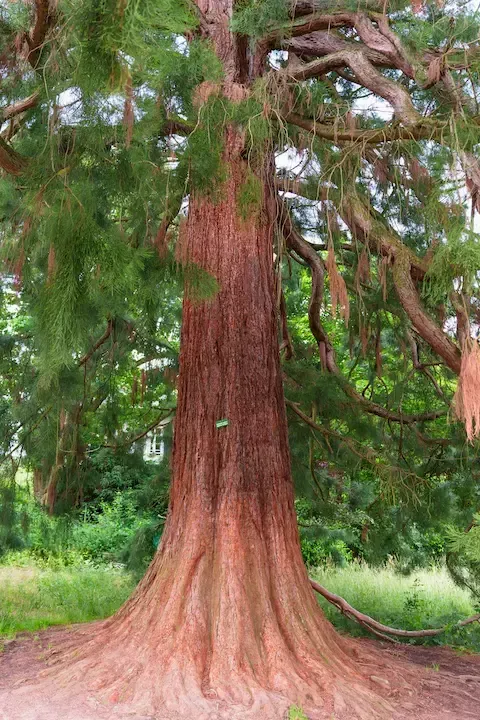
Heritage Tree Spring Care for Mountlake Terrace Homes
Spring is a pivotal season for the heritage trees that define Mountlake Terrace neighborhoods. After months of wet Pacific Northwest winters — heavy rainfall, wind events, and the occasional hard frost — even the most established trees carry signs of stress that can compound quickly if left unaddressed. Whether you're stewarding a century-old Douglas fir near Lakeview Drive or a mature Pacific madrone in a backyard bordering Hall Lake, spring is your best opportunity to set the tree up for a full season of healthy growth.
Why Spring Timing Matters for Established Trees
Heritage trees have extensive root systems and complex structural histories. They respond to seasonal transitions more slowly than younger trees, which means problems that develop over winter — fungal colonization, bark cracks, soil compaction from rain saturation — don't always show up visibly until late spring. Acting early, before leaf flush is complete, gives you a clear look at branch structure and lets you identify issues before new growth masks them.
In Mountlake Terrace, soil conditions in spring are also worth paying close attention to. The clay-heavy soil common throughout Snohomish County retains water longer than sandy or loamy alternatives. Combined with the drainage challenges in lower-lying areas near Ballinger Lake, this can create root zone saturation that stresses even deep-rooted specimens. Checking drainage around the base of a heritage tree after a rain event is a simple first diagnostic step any homeowner can take.
Post-Winter Inspection Priorities
Before any hands-on work begins, walk the tree and assess what the winter left behind. Look for these specific indicators:
- Hanging or cracked limbs — winter winds commonly create partially attached branches that look stable but are not
- Bark separation or cankers — areas where bark is lifting, discolored, or weeping sap may signal fungal disease or freeze-thaw damage
- Crown dieback — branch tips that failed to produce buds or show shriveled, blackened growth indicate winter kill or root stress
- Moss and lichen accumulation — while common in the Pacific Northwest and not always harmful, heavy buildup on major limbs can hold moisture against bark
- Root zone erosion or heaving — look for exposed roots or raised soil patterns near the base that suggest frost activity or drainage pressure
Document what you find before making any decisions. Photographing the canopy from multiple angles helps you track changes across the season and gives a tree care professional useful context if you bring one in later.
Soil and Root Zone Restoration
The root zone of a heritage tree is its life support system, and it's the most frequently overlooked area during spring maintenance. After a wet Mountlake Terrace winter, compaction is common — foot traffic, saturated soil weight, and surface runoff all press air out of the soil and reduce the oxygen availability that roots depend on.
For most residential heritage trees, a few targeted steps make a meaningful difference:
- Aerate the critical root zone — working outward from the drip line, not close to the trunk, to relieve compaction without damaging feeder roots
- Top-dress with compost — a thin layer of aged compost added to the root zone improves microbial activity and slowly releases nutrients as soil warms
- Remove competing vegetation — grass and ground cover growing directly against the trunk compete for moisture and can harbor pests; clearing a clean zone outward from the base helps
Avoid synthetic fertilizers on heritage trees unless a soil test has confirmed a specific deficiency. Over-fertilizing can push rapid, structurally weak new growth in older trees that are better served by steady, moderate conditions.
Mulch Refresh and Why It Matters in This Climate
One of the highest-value maintenance tasks for any heritage tree in the Pacific Northwest is refreshing the mulch ring each spring. Mulch moderates soil temperature during late frosts, retains moisture during the drier months of June through August, suppresses weed competition, and feeds soil biology as it breaks down.
Apply mulch in a ring extending from roughly six inches away from the trunk out to or beyond the drip line. A two-to-four-inch depth is sufficient — deeper than that and you risk moisture retention against the bark, which invites fungal problems. Use wood chip mulch rather than bark dust, as chips decompose more slowly and support a broader range of beneficial soil organisms. Many Mountlake Terrace homeowners source free chips through municipal tree trimming programs or local arborist services.
Pruning Timing for Pacific Northwest Native Species
Spring pruning decisions for heritage trees require more care than routine maintenance pruning. For most native Pacific Northwest species, the window between late dormancy and full leaf-out — roughly late February through mid-April in Mountlake Terrace — is acceptable for structural pruning, provided the work is limited and precise. Once a tree breaks full bud, energy is being diverted heavily into new growth, and significant pruning at that point creates stress that can invite disease.
A few species-specific considerations for common heritage trees in this area:
- Douglas fir — avoid pruning once new growth tips (candles) are extending; limit spring work to dead wood and clearly failing limbs
- Big-leaf maple — prone to bleeding sap when pruned in early spring; late winter cuts before sap rise are preferable where structural work is needed
- Western red cedar — tolerates spring pruning reasonably well; focus on interior deadwood removal and any limbs creating hazard over structures
- Pacific madrone — sensitive to pruning wounds and prone to disease entry at cut sites; minimize cuts and treat any fresh wounds promptly
If you're uncertain about pruning timing or scope for a specific tree, connecting with a certified arborist familiar with Mountlake Terrace conditions is a sound step. Heritage Tree Care services specifically address the unique needs of older, established specimens rather than applying standard maintenance protocols.
Managing Heritage Tree Status Considerations Locally
Mountlake Terrace has specific provisions related to significant tree removal and preservation that can affect what work you're permitted to do without approval. Heritage or significant trees on residential lots may require consultation with the city before any major pruning or removal takes place. Spring is a practical time to review your tree's documentation, confirm whether it carries any formal designation, and ensure that planned maintenance aligns with local requirements. For more on heritage tree care and what qualifies a tree for protected status locally, reviewing your tree's history before spring work begins helps you avoid complications.
A Practical Spring Rhythm for Tree Stewardship
The homeowners who tend heritage trees most successfully in the Pacific Northwest treat spring not as a single to-do list but as a rhythm that unfolds across eight to ten weeks. Early March brings the inspection. Mid-March into April handles mulch refresh and soil work. Late April focuses on any necessary pruning before full leaf-out. May is for monitoring the response to winter stress and flagging anything that warrants professional assessment. That paced approach lets you observe the tree across its transition into the growing season rather than reacting to problems after they've compounded.
