Crown Thinning Benefits for Mountlake Terrace Trees
Crown thinning is one of the most practical and long-lasting services you can invest in for the trees on your Mountlake Terrace property. Unlike topping or heavy reduction cuts, thinning works with a tree's natural structure — selectively removing interior branches to improve airflow, reduce weight load, and let more light reach the ground below. The Pacific Northwest climate creates specific pressures on trees that make this service especially relevant here, from saturated soils in winter to powerful windstorms that roll in off Puget Sound. Understanding what crown thinning actually does, and why it matters in this region, helps you make better decisions about your canopy before problems develop.
What Crown Thinning Actually Involves
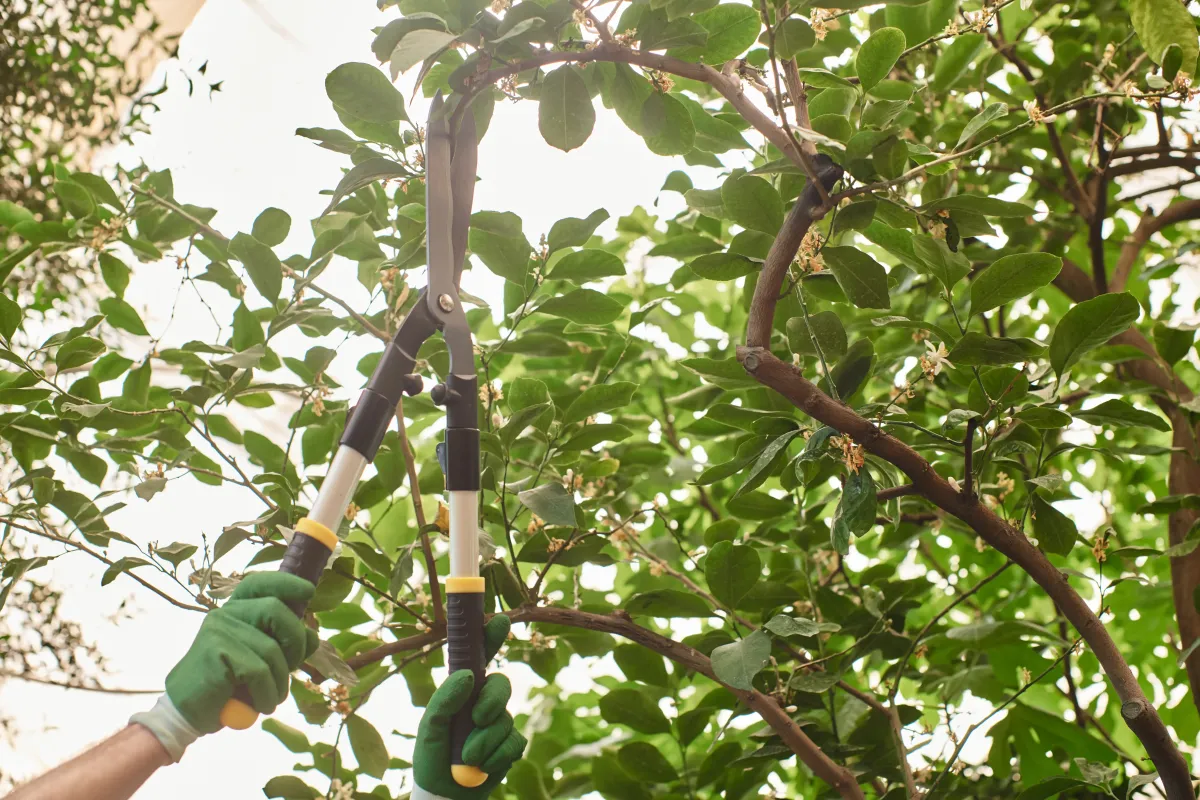
Crown thinning is a selective pruning technique focused on the interior and upper canopy of a tree. An arborist removes crossing branches, weak laterals, deadwood, and competing stems — not the outermost scaffold branches that define the tree's shape. The goal is to open up the canopy without significantly reducing its overall size or silhouette.
This is distinct from crown reduction, which shortens the tree's height or spread, and from crown raising, which removes lower limbs to create clearance beneath the canopy. Thinning keeps the tree's architecture intact while improving what happens inside it. When done correctly, you should barely notice a visible change in the tree's size — but the structural and biological improvements are substantial.
In Mountlake Terrace, where properties often have mature Douglas firs, big-leaf maples, and western red cedars, canopy density can become a genuine liability over time. These species grow vigorously and develop dense interior growth that needs periodic management to stay healthy and safe.
Reduced Wind Sail and Storm Load
One of the most immediate crown thinning benefits is reduced wind resistance. A dense, unpruned canopy acts like a sail — it catches wind and transfers enormous force to the trunk, major limbs, and root system. Mountlake Terrace experiences windstorms regularly, particularly in fall and winter when the Puget Sound region sees sustained wind events that can exceed 40–50 mph.
When an arborist thins the crown, wind passes through the canopy rather than pushing against it. This significantly reduces the mechanical stress placed on the tree during a storm. Less sail effect means less trunk sway, less root movement in saturated soil, and a much lower risk of catastrophic failure. For trees growing near homes, driveways, or power lines along neighborhoods like those off 212th Street Southwest or near Ballinger Park, that risk reduction is not a small thing.
Trees planted in urban settings also often have compromised root zones due to impervious surfaces, compacted soil, or construction history. A heavy canopy combined with a restricted root zone is a formula for failure in high-wind conditions. Thinning addresses one side of that equation directly.
Interior Light and Ground-Level Benefits
A fully leafed-out canopy in summer can block 90 percent or more of incoming sunlight to the ground below. While shade is desirable in many situations, excessive canopy density creates problems — both for the tree and for anything growing beneath it.
Inside the canopy, poor light penetration means interior branches weaken and die back over time. Dead interior wood becomes a habitat for decay fungi and boring insects, both of which can compromise the tree's long-term health. By opening the canopy selectively, thinning allows light to reach interior growth points, encouraging healthier lateral development and reducing dieback.
Below the tree, improved light transmission benefits lawn grass, garden beds, and other plantings that may be struggling in dense shade. Mountlake Terrace properties with mature tree canopies often see patchy grass and persistent moisture issues in heavily shaded areas. A properly thinned canopy lets enough light through to make those spaces more functional without sacrificing the shade value the tree provides.
Airflow, Fungal Pressure, and Regional Tree Health
The Pacific Northwest's wet climate creates persistent fungal pressure on trees. Species like big-leaf maple are particularly susceptible to anthracnose and other foliage diseases that thrive in cool, moist conditions with poor air circulation. When canopy density traps humidity inside the crown, leaf surfaces stay wet longer after rain events — exactly the conditions that favor fungal colonization.
Crown thinning improves airflow through the canopy, allowing foliage to dry more quickly after rain and reducing the window of vulnerability for fungal spore germination. This doesn't eliminate disease risk, but it meaningfully reduces it as part of an integrated approach to tree health. Combined with appropriate fertilization and soil care, a properly thinned tree is more resilient to the environmental stressors common in western Washington.
For guidance on when to schedule thinning alongside other seasonal work, the timing details in this tree pruning coverage post are a practical starting point for planning your annual canopy maintenance calendar.
Long-Term Canopy Shape and Structural Integrity
Trees that receive periodic thinning throughout their development tend to grow with better structural architecture than those that are left entirely alone until a problem appears. Early and consistent removal of competing leaders, crossing branches, and weak crotch angles guides the tree toward a more sound structure over time.
Neglected trees often develop included bark — a condition where two stems grow together at a tight angle, trapping bark between them and creating a structural weakness that can fail under load. Regular thinning gives an arborist the opportunity to identify and correct these issues before they become hazards. In older trees, it may not be possible to fully correct poor structure, but thinning can reduce the load on weak unions and extend the tree's safe functional life.
If you're maintaining larger trees on a Mountlake Terrace property — particularly those with historical value or significant canopy cover — this type of proactive structural management is worth scheduling every three to five years depending on species and growth rate.
Choosing a Qualified Arborist for Thinning Work
Crown thinning done poorly can be as harmful as no pruning at all. Over-thinning strips the canopy of too much foliage, stressing the tree and triggering excessive epicormic sprouting — weak, fast-growing shoots that make the problem worse. The standard guideline is to remove no more than 20–25 percent of live canopy in a single pruning cycle, though that figure varies by species, age, and tree condition.
A certified arborist familiar with western Washington tree species and regional growth patterns is the right person to assess what your specific trees need. Look for ISA certification and a company that performs a site visit and canopy assessment before quoting work. Proper Tree Trimming starts with that assessment — understanding the tree's structure and goals before a single cut is made.
For Mountlake Terrace homeowners managing mature canopies, crown thinning is one of the most cost-effective investments you can make in your trees' health, safety, and long-term appearance. Done right, the benefits compound over years and significantly reduce the likelihood of emergency situations that are far more expensive to manage after the fact.
