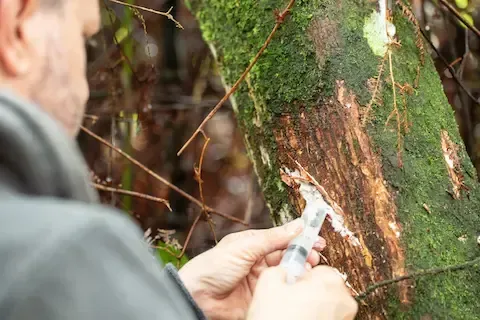
Tree Health Assessment Process Mountlake Terrace WA
A comprehensive tree health assessment in Mountlake Terrace begins with systematic evaluation of your tree's structural integrity, biological health, and environmental stresses. Professional arborists examine everything from root systems to canopy conditions, identifying potential hazards and developing targeted care strategies. This detailed process helps property owners understand their trees' current condition and make informed decisions about maintenance, treatment, or removal.
Root System and Soil Health Analysis
The foundation of any thorough tree health assessment starts below ground. Arborists examine the root crown area where the trunk meets the soil, checking for signs of decay, girdling roots, or structural damage. Root flare visibility serves as a primary indicator of proper planting depth and overall root health. When roots circle around the trunk base or show signs of compression, this can severely restrict nutrient flow and compromise the entire tree's stability.
Soil conditions around Mountlake Terrace properties vary significantly, with clay-heavy areas retaining moisture and sandy sections draining quickly. Professional assessments include soil pH testing, compaction measurement, and drainage evaluation. These factors directly impact root development and the tree's ability to absorb essential nutrients. Compacted soils from construction activity or heavy foot traffic often require remediation to restore proper growing conditions.
Advanced assessment techniques may include air excavation around critical root zones to expose structural roots without damage. This process reveals root architecture, identifies decay or damage, and helps determine if root system expansion matches canopy size. Healthy trees typically maintain a root spread roughly equivalent to their canopy width, though site constraints often limit this natural development pattern.
Trunk and Bark Condition Evaluation
Trunk assessment involves detailed examination of bark texture, color variations, and structural integrity. Healthy bark should appear uniform in color and texture appropriate to the species, without significant cracks, cavities, or missing sections. Vertical cracks may indicate internal stress or rapid growth, while horizontal damage often suggests external impact or disease progression.
Fungal growth patterns on trunk surfaces provide crucial diagnostic information about internal decay. Mushrooms, conks, or bracket fungi growing from the trunk typically indicate advanced decay within the wood structure. The location, size, and species of these fungal bodies help determine the extent of internal damage and potential safety risks.
Bark beetles and other boring insects leave distinctive patterns that trained arborists can identify during assessment. Entry holes, frass accumulation, and bark loosening indicate active infestations requiring immediate attention. Pacific Northwest species face particular pressure from native bark beetles, especially during drought stress periods common in Mountlake Terrace summers.
Douglas fir carries its own failure profile. Our Douglas fir risk evaluation guide walks through root health, co-dominant stems, and the signs a large fir needs action.
Canopy Structure and Branch Health
Canopy evaluation examines branch architecture, leaf density, and overall structural balance. Well-structured trees maintain strong scaffold branches with proper angles and spacing, avoiding weak crotch formations that may fail under stress. Dead, dying, or damaged branches within the canopy pose immediate safety concerns and require removal regardless of other health factors.
Leaf color, size, and distribution patterns reveal important health information throughout the growing season. Early leaf drop, yellowing patterns, or reduced leaf size often indicate root problems, disease pressure, or environmental stress. Seasonal timing of these symptoms helps distinguish between acute problems and chronic conditions requiring long-term management.
Crown density assessment compares current foliage levels to expected fullness for the species and site conditions. Thinning crowns may result from age, stress, disease, or pest activity. Our storm cleanup walkthrough often reveals how weather events impact canopy structure and overall tree stability over time.
Disease and Pest Identification
Professional tree health assessments include systematic screening for common Pacific Northwest diseases and pest problems. Fungal diseases like root rot, canker diseases, and foliar pathogens require specific identification for effective treatment planning. Many diseases show subtle early symptoms that property owners typically miss, making professional diagnosis essential.
Pest identification goes beyond obvious infestations to include early detection of problematic species. Scale insects, aphids, and mites often establish populations before visible damage occurs. Pheromone traps and careful inspection of bark crevices help identify pest presence before population explosions damage tree health.
Integrated pest management strategies developed during assessment consider beneficial insect populations, natural predator relationships, and environmental factors affecting pest development. Treatment recommendations balance immediate pest control needs with long-term ecosystem health, avoiding unnecessary pesticide applications that might disrupt beneficial species.
Environmental Stress Factors
Mountlake Terrace's urban environment creates unique stress factors that impact tree health significantly. Construction damage, soil contamination, and restricted root zones challenge tree vitality in developed areas. Salt damage from winter road treatments affects trees near streets and walkways, causing foliar burn and root zone contamination.
Water stress assessment considers both drought conditions and overwatering problems common in irrigated landscapes. Many property owners either underwater during dry periods or overwater during wet seasons, creating root zone problems that manifest as canopy symptoms. Proper moisture management requires understanding each species' water requirements and site-specific drainage characteristics.
Air quality impacts from urban pollution, particularly vehicle emissions and industrial sources, affect tree health through foliar damage and reduced photosynthetic efficiency. Trees near busy roads show increased stress symptoms and may require more intensive care to maintain health and appearance standards.
Compaction and Grade Changes
Soil compaction from heavy machinery, foot traffic, or vehicle parking severely restricts root growth and water infiltration. Assessment includes penetrometer testing to measure compaction levels and identify areas requiring remediation. Grade changes around existing trees often damage surface roots and alter drainage patterns, creating stress conditions that may not appear for several growing seasons.
Construction activity within the root zone frequently causes damage that appears years later as declining health. Even seemingly minor activities like utility installation or landscape modification can sever critical structural roots, leading to gradual decline and increased failure risk during storm events.
Risk Assessment and Safety Evaluation
Tree risk assessment forms a critical component of comprehensive health evaluation, identifying potential failure points that could damage property or injure people. Target analysis considers what might be damaged if tree parts fail, including buildings, vehicles, and pedestrian areas. High-value targets require more conservative management approaches and regular monitoring schedules.
Structural defects like included bark, co-dominant stems, or previous topping damage create failure points that may not be obvious to untrained observers. Professional assessment quantifies these risks using standardized evaluation methods, helping property owners make informed decisions about mitigation strategies.
Weather loading factors specific to Mountlake Terrace include wind exposure, ice loading potential, and soil saturation effects during winter storms. Trees weakened by disease, pest damage, or structural defects may fail under normal weather conditions that healthy specimens easily withstand.
Failure Probability Assessment
Risk assessment combines defect identification with failure probability calculations based on tree species, age, condition, and site exposure factors. Some defects may remain stable for years under normal conditions but fail catastrophically during severe weather events. Understanding these probability factors helps prioritize maintenance activities and budget allocation.
Regular monitoring schedules for high-risk trees ensure that changing conditions are detected early. Trees in decline may deteriorate rapidly once certain thresholds are reached, making frequent reassessment necessary for properties with significant target exposure.
Treatment and Management Recommendations
Based on assessment findings, professional arborists develop comprehensive treatment plans addressing identified problems and preventing future issues. Treatment recommendations consider tree species, site conditions, budget constraints, and property owner objectives. Some problems require immediate action, while others can be addressed through long-term management strategies.
Pruning recommendations specify which branches require removal and appropriate timing for the work. Species-specific pruning requirements ensure that cuts are made properly and at optimal times for healing response. Structural pruning for young trees differs significantly from maintenance pruning for mature specimens or corrective pruning for damaged trees.
Soil modification recommendations may include decompaction, pH adjustment, organic matter addition, or drainage improvement. These treatments often provide the most significant long-term benefits but require proper implementation timing and techniques. Professional Tree Health Assessment services ensure that soil treatments are coordinated with other care activities for maximum effectiveness.
Fertilization and Nutrition Programs
Nutrient management recommendations based on soil testing and foliar analysis address specific deficiencies affecting tree health. Over-fertilization can be as problematic as nutrient deficiencies, particularly in urban soils with altered chemistry. Slow-release fertilizer programs provide consistent nutrition without promoting excessive growth that may compromise structural integrity.
Organic matter incorporation improves soil structure, water retention, and beneficial microbial activity. Compost applications, mulching programs, and mycorrhizal inoculation enhance root zone conditions naturally, reducing dependence on synthetic fertilizers while improving long-term soil health.
Monitoring and Follow-up Protocols
Effective tree health management requires ongoing monitoring to track treatment effectiveness and detect new problems early. Follow-up assessment schedules depend on tree condition, treatment complexity, and risk factors identified during initial evaluation. Trees with active disease or pest problems may require monthly monitoring during critical periods.
Documentation protocols ensure that assessment findings, treatment recommendations, and follow-up observations are recorded systematically. This historical record helps track long-term trends, evaluate treatment effectiveness, and make informed decisions about future care strategies. Digital documentation with photographs provides valuable comparison data over time.
Weather event follow-up becomes particularly important in Mountlake Terrace, where winter storms and summer drought cycles stress urban trees significantly. Post-storm assessments identify new damage and help prioritize emergency response activities. Regular drought monitoring during summer months helps adjust irrigation schedules and identify trees requiring supplemental water.
Property owners receive detailed written reports explaining assessment findings, treatment recommendations, and ongoing care requirements. These reports help establish realistic expectations for tree performance and budget planning for future maintenance activities. Clear communication ensures that property owners understand their role in maintaining tree health between professional service visits.
