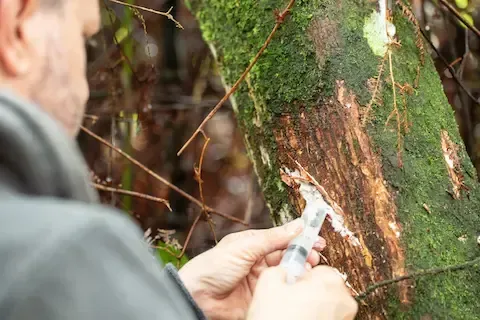
Tree Health Assessment for Mountlake Terrace WA Homeowners
Understanding Tree Health Assessment Basics
Tree health assessment involves a systematic evaluation of your trees' overall condition, identifying potential problems before they become serious threats to property or safety. For Mountlake Terrace homeowners, regular tree health evaluations are particularly important given our area's diverse tree species and varying soil conditions throughout Snohomish County.
A comprehensive assessment examines multiple factors including trunk integrity, crown structure, root system health, and signs of disease or pest infestation. Professional arborists use specialized tools and techniques to evaluate trees from ground level to canopy, identifying issues that untrained eyes often miss.
The assessment process typically begins with visual inspection of the tree's overall structure and symmetry. Healthy trees display balanced crown development, appropriate leaf density for the species, and bark that appears normal for the tree's age and type. Any deviations from these norms warrant closer examination.
Key Components of Professional Tree Evaluation
Root system evaluation forms the foundation of any thorough tree health assessment. In Mountlake Terrace's clay-heavy soils, root problems often develop slowly and remain hidden until significant damage occurs. Arborists examine the root flare area, looking for signs of decay, girdling roots, or soil compaction that restricts healthy root development.
Trunk assessment involves checking for cavities, cracks, fungal growth, or other structural defects that compromise the tree's stability. Professional Tree Health Assessment includes using specialized tools like increment borers or sonic devices to detect internal decay that isn't visible externally.
Crown evaluation examines branch structure, leaf color and density, and overall canopy health. Dead branches, unusual leaf drop patterns, or sparse foliage often indicate underlying health issues that require immediate attention.
Bark inspection reveals many health indicators, from insect damage to disease symptoms. Different tree species exhibit unique bark characteristics, and understanding these variations helps identify problems specific to each type of tree common in our region.
Common Tree Health Issues in Mountlake Terrace
Our Pacific Northwest climate creates specific challenges for tree health that Mountlake Terrace residents should understand. Excessive moisture during winter months combined with periodic summer drought stress creates conditions favorable for various fungal diseases.
Root rot represents one of the most serious threats to trees in our area. Poor drainage in clay soils, common throughout Snohomish County, creates anaerobic conditions that promote harmful fungi. Trees affected by root rot often show symptoms in the crown before root damage becomes apparent.
Insect infestations pose another significant concern, with species like bark beetles, aphids, and scale insects targeting stressed or weakened trees. Early detection through regular health assessments allows for intervention before infestations cause irreversible damage.
Canker diseases affect many tree species in our region, causing sunken, dead areas on trunks or branches. These fungal infections often enter through wounds or stress points, highlighting the importance of proper tree care and regular monitoring.
Environmental Stress Factors
Construction damage frequently affects urban trees in developing areas of Mountlake Terrace. Soil compaction, root severing, and grade changes around existing trees can cause delayed stress responses that may not appear for several years after the initial damage.
Salt damage from winter de-icing presents challenges for trees near roadways and sidewalks. Sodium accumulation in soil affects root function and can cause foliar burn symptoms that mimic other health problems.
Wind damage from Pacific storms creates ongoing stress for trees, particularly those with structural weaknesses or poor root systems. Regular assessment helps identify trees at risk of failure during severe weather events.
Timing and Frequency of Tree Health Assessments
Annual assessments provide the most effective monitoring schedule for most residential trees. However, certain circumstances warrant more frequent evaluation, including trees showing stress symptoms, mature specimens near structures, or trees in high-traffic areas where safety concerns exist.
Seasonal timing affects the accuracy and completeness of tree health assessments. Late spring through early fall offers optimal conditions for comprehensive evaluation, when trees display full foliage and active growth patterns that reveal health status.
Post-storm assessments become critical after severe weather events common in our region. High winds, heavy snow loads, or ice storms can cause structural damage that isn't immediately apparent but significantly affects tree stability and long-term health.
New homeowners should prioritize professional tree assessment within the first year of property ownership. Understanding existing tree health conditions helps establish appropriate maintenance schedules and identifies potential safety hazards requiring immediate attention.
Professional Assessment Tools and Techniques
Certified arborists employ various specialized tools to conduct thorough tree health evaluations. Resistograph drilling provides detailed information about internal wood density and decay patterns without causing significant harm to healthy trees.
Sonic tomography creates detailed images of internal trunk structure, revealing decay patterns and cavity development that external inspection cannot detect. This non-invasive technology proves particularly valuable for assessing mature trees with suspected internal problems.
Air spade excavation allows examination of root systems without damaging delicate feeder roots. This technique proves essential for diagnosing root problems in areas with suspected soil compaction or drainage issues.
Digital photography and documentation create permanent records of tree conditions, allowing comparison over time to track health changes and treatment effectiveness. Professional assessments should always include detailed written reports with photographic evidence.
Laboratory Testing Options
Soil testing provides crucial information about nutrient availability, pH levels, and contamination that affects tree health. Professional assessments often include soil analysis to identify underlying causes of tree stress or decline.
Tissue analysis helps diagnose nutritional deficiencies or toxicity issues that may not be apparent through visual inspection alone. Leaf, bark, or wood samples can reveal specific problems requiring targeted treatment approaches.
Pathogen identification through laboratory testing confirms suspected disease problems and guides appropriate treatment selection. Accurate diagnosis proves essential for effective disease management and preventing spread to other trees.
Safety Considerations and Risk Assessment
Tree risk assessment forms a critical component of comprehensive health evaluation, particularly for trees near homes, walkways, or public areas. Professional arborists evaluate the likelihood of tree failure and potential consequences to determine appropriate management strategies.
Target zone analysis considers what might be damaged if tree failure occurs, helping prioritize treatment or removal decisions based on potential consequences rather than tree health alone. High-value targets like homes or vehicles may warrant more aggressive intervention approaches.
Structural defects require immediate attention when they pose safety risks. Common problems include co-dominant stems with included bark, large dead branches, or significant trunk decay that compromises overall tree stability.
Regular monitoring becomes essential for trees with identified structural issues that don't warrant immediate removal. Understanding how defects progress over time helps determine when intervention becomes necessary to maintain acceptable safety levels.
Cost Factors and Budget Planning
Professional tree health assessment costs vary based on property size, number of trees evaluated, and complexity of issues discovered. Basic visual assessments cost less than detailed evaluations requiring specialized equipment or laboratory testing.
Multiple-tree assessments often provide cost savings compared to individual evaluations, making comprehensive property assessments more economical for homeowners with several trees requiring evaluation.
Preventive assessment costs typically represent a fraction of expenses associated with emergency tree removal or property damage from failed trees. Regular monitoring helps identify problems while treatment options remain available and affordable.
Insurance considerations may affect assessment decisions, as some policies require professional evaluation of trees near structures or provide coverage only when proper maintenance documentation exists.
Working with Qualified Tree Health Professionals
Selecting qualified arborists ensures accurate assessment and appropriate recommendations for tree health management. Look for certification from organizations like the International Society of Arboriculture, which indicates professional training and ongoing education requirements.
Local experience proves valuable when dealing with regional tree species and common problems specific to our Pacific Northwest environment. Professionals familiar with Mountlake Terrace conditions provide more accurate assessments and practical recommendations.
Comprehensive reporting separates professional services from basic tree care providers. Quality assessments include detailed written reports with specific recommendations, photographs, and follow-up monitoring schedules tailored to individual tree needs.
For homeowners seeking additional expertise, the arborist consultations guide for our area provides detailed information about selecting qualified professionals and understanding consultation services available in our region.
