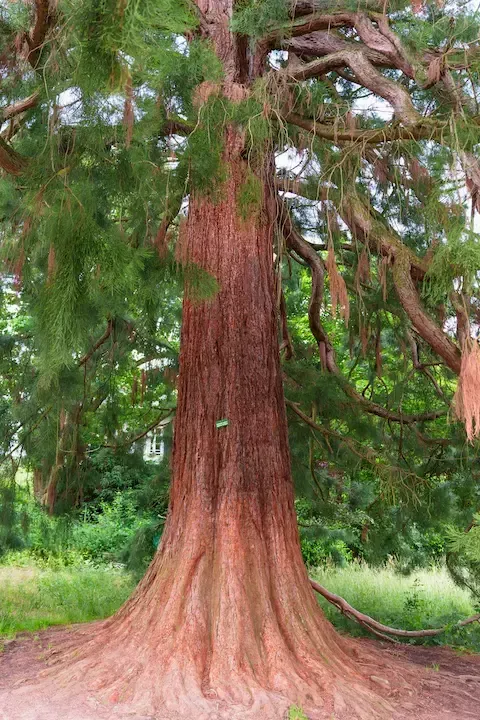
Heritage Tree Care for Homeowners in Mountlake Terrace WA
Heritage trees represent some of the most valuable natural assets in Mountlake Terrace, providing decades or centuries of environmental benefits while defining the character of our community. These magnificent specimens require specialized care approaches that balance preservation with safety, particularly given the specific regulations and environmental conditions present in Snohomish County. Understanding proper heritage tree management helps homeowners maintain these living landmarks while ensuring compliance with local ordinances and maximizing the long-term health of these irreplaceable assets.
Understanding Heritage Tree Classifications
Heritage trees in Mountlake Terrace typically fall under specific size and species criteria established by local ordinances. Trees with trunk diameters exceeding 24 inches at breast height generally qualify for heritage status, though certain species may qualify at smaller sizes due to their ecological or historical significance. Native species like Douglas fir, Western red cedar, and bigleaf maple often receive priority consideration when reaching maturity thresholds.
The classification process involves evaluating multiple factors beyond simple size measurements. Tree health, structural integrity, historical significance, and ecological value all contribute to heritage designation. Some trees earn this status through documented historical connections to the community, while others qualify based on their role as wildlife habitat or their contribution to the urban canopy. Professional arborists familiar with Heritage Tree Care protocols can provide accurate assessments of whether your trees meet local heritage criteria.
Location factors also influence heritage tree status in Mountlake Terrace. Trees positioned in highly visible areas, serving as community landmarks, or contributing significantly to neighborhood character may receive additional consideration during evaluation processes. Property owners should document any known historical information about significant trees on their land, as this information can support heritage designation applications.
Snohomish County Tree Ordinance Requirements
The tree ordinance Snohomish County enforces establishes specific requirements for heritage tree management that directly impact Mountlake Terrace homeowners. These regulations mandate permit applications for any work involving heritage trees, including pruning that removes more than 25% of the canopy, root zone disturbance, or removal activities. Understanding these requirements prevents costly violations and ensures proper protection of valuable tree resources.
Permit applications require detailed documentation including arborist reports, site plans, and justification for proposed work. Emergency situations may allow immediate action to address safety hazards, but follow-up documentation must be submitted within specified timeframes. The ordinance also establishes replacement requirements when heritage tree removal becomes necessary, typically requiring multiple plantings to compensate for lost canopy coverage.
Violation penalties can be substantial, including fines reaching thousands of dollars plus mandatory replacement costs. The ordinance empowers enforcement officers to conduct inspections and issue stop-work orders when unauthorized activities are discovered. Homeowners planning any construction, landscaping, or tree work near heritage specimens should consult with qualified professionals to ensure full compliance with all applicable regulations.
Specialized Care Techniques for Mature Trees
Heritage trees require modified care approaches that prioritize long-term health over aggressive intervention. Pruning techniques must focus on removing only dead, diseased, or structurally compromised wood while preserving the tree's natural form and avoiding excessive canopy reduction. Crown cleaning and selective thinning help maintain structural integrity without shocking mature root systems that may struggle to support rapid new growth.
Root zone protection becomes critically important for heritage specimens, as these trees often have extensive root systems that can extend well beyond the drip line. Construction activities, soil compaction, grade changes, or chemical applications within the root zone can cause delayed decline or mortality in heritage trees. Installing protective barriers and establishing no-disturbance zones helps preserve these sensitive areas during property improvements.
Fertilization and soil management require careful consideration for heritage trees in Mountlake Terrace. Over-fertilization can stimulate excessive growth that compromises structural integrity, while soil amendments must be compatible with established root systems. Professional soil testing helps determine appropriate nutrient programs that support tree health without encouraging problematic growth patterns.
Common Heritage Tree Health Issues
Disease management in heritage trees often involves complex decisions balancing treatment effectiveness with preservation goals. Fungal diseases like root rot or canker diseases can be particularly challenging in mature specimens, requiring careful monitoring and strategic treatment approaches. Early detection through regular professional assessments helps identify problems before they become irreversible.
Structural issues become more common as trees reach heritage size, with weak branch attachments, co-dominant stems, or internal decay requiring careful evaluation. Cable and bracing systems can provide structural support for valuable heritage trees, allowing them to remain safely in place while addressing specific weaknesses. These support systems require professional installation and regular inspection to ensure continued effectiveness.
Pest management strategies must consider the sensitivity of mature trees to treatment chemicals while addressing potentially serious infestations. Integrated pest management approaches often work best for heritage specimens, combining biological controls, cultural practices, and targeted chemical treatments when necessary. Tree Health Assessment Guide resources help homeowners understand when professional intervention becomes necessary.
Environmental Factors Affecting Heritage Trees
Climate conditions specific to Mountlake Terrace and the broader Snohomish County region create unique challenges for heritage tree care. The area's wet winters and relatively dry summers can stress mature trees, particularly those dealing with root zone disturbances or soil compaction issues. Proper drainage management and irrigation scheduling help heritage trees adapt to seasonal moisture variations.
Wind exposure becomes increasingly significant as trees reach heritage size, with storm damage potential requiring careful evaluation and preventive measures. Professional risk assessments help identify trees that may benefit from strategic pruning or support systems before severe weather events occur. Regular monitoring after major storms helps detect new damage that could compromise long-term tree health.
Urban environmental stresses including air pollution, soil contamination, and nearby construction activities can accumulate over time in heritage trees. These mature specimens may show delayed responses to environmental stresses, making early intervention crucial for preservation success. Professional monitoring helps identify stress symptoms before they become severe enough to threaten tree survival.
Professional Assessment and Monitoring
Regular professional evaluations form the foundation of successful heritage tree care programs. Certified arborists can detect early signs of decline, structural problems, or disease issues that untrained observers might miss. Annual or biennial assessments help establish baseline conditions and track changes over time, allowing for proactive management approaches.
Documentation plays a crucial role in heritage tree management, with detailed records supporting insurance claims, permit applications, and long-term care planning. Professional assessments should include photographs, detailed condition reports, and recommendations for ongoing care activities. This documentation becomes particularly valuable when working with local authorities or insurance companies regarding heritage tree issues.
Risk assessment protocols help prioritize care activities and identify trees requiring immediate attention. Professional evaluations consider factors like structural integrity, disease presence, environmental stresses, and proximity to structures or high-use areas. This systematic approach helps homeowners make informed decisions about heritage tree management while ensuring public safety.
Long-term Preservation Strategies
Developing comprehensive heritage tree management plans helps ensure these valuable assets receive appropriate care throughout their extended lifespans. These plans should address routine maintenance schedules, monitoring protocols, emergency response procedures, and succession planning for eventual replacement needs. Professional consultation helps create realistic timelines and budget projections for ongoing heritage tree care.
Succession planning becomes particularly important for heritage trees approaching the end of their natural lifespans. Identifying appropriate replacement species and planting locations helps maintain community canopy coverage and character as mature trees eventually require removal. Strategic planning allows new trees to establish and develop before heritage specimens decline to critical condition levels.
Community involvement and education support heritage tree preservation efforts by building awareness and support among neighbors and local officials. Property owners can contribute to broader preservation goals by sharing information about their heritage trees and participating in community forestry initiatives. This collaborative approach helps protect heritage trees throughout Mountlake Terrace while building support for continued preservation efforts.
